


Mastering your health requires a structured weight loss blueprint that replaces stress with clarity, transforming education through calm and focus to guarantee sustainable, lifelong wellness results.
Navigating physical wellness can be overwhelming, but a properly designed weight loss blueprint changes everything. By shifting the focus from restrictive dieting to calm, structured health education, individuals can achieve their goals. This guide explores strategies, digital frameworks, and actionable steps to ensure lasting transformation.
Understanding the Science of Sustainable Fat Loss
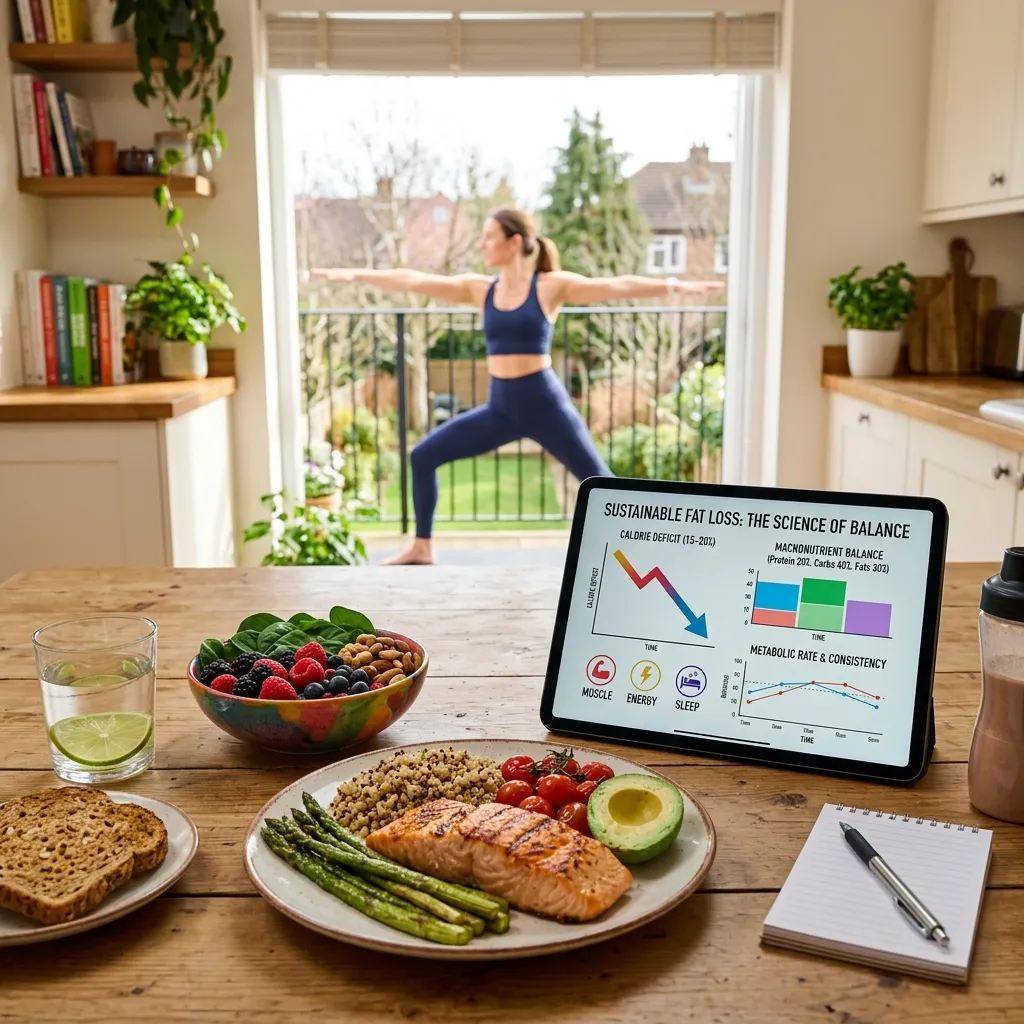
Achieving your ideal body composition requires more than just sheer willpower; it demands a deep understanding of how your body uses energy. When you build a solid foundation of knowledge, you stop falling for marketing gimmicks and start making choices that drive real biological change.
The Energy Balance Equation
At the very core of any successful fat reduction phase is the energy balance equation. To lose fat, you must consume fewer calories than your body burns on a daily basis. This creates a caloric deficit, forcing your body to tap into stored body fat for fuel. However, creating a deficit does not mean starving yourself. A modest deficit of 300 to 500 calories a day is generally the most effective approach for sustainable progress.
When you drastically cut calories, your body adapts by slowing down your metabolic rate—a process known as adaptive thermogenesis. By keeping your calorie deficit moderate, you maintain a high metabolic rate, keep your energy levels up, and ensure you are losing fat rather than precious muscle tissue.
Why Crash Diets Fail
Most people fail at weight loss because they rely on highly restrictive diets that eliminate entire food groups. While these diets may produce rapid initial results, those results are mostly water weight and muscle glycogen. Once the diet ends—and it always does, because extreme restriction is not sustainable—the weight returns rapidly.
Instead of looking for a quick fix, your goal should be to build habits that you can maintain for the rest of your life. Sustainability is the ultimate metric of success. If you cannot see yourself eating a certain way in five years, it is not the right approach for you today.
Understanding the Basics of Sustainable Weight Management
At the core of any effective weight loss blueprint lies the principle of energy balance. Simply put, weight decreases when the calories burned through daily activities and exercise exceed the calories consumed. However, this straightforward equation is influenced by factors such as basal metabolic rate (BMR), the thermic effect of food, and non-exercise activity thermogenesis (NEAT). Understanding these elements helps you tailor your approach and prevents common pitfalls like overly aggressive caloric restriction that can stall progress.
Metabolism varies greatly among individuals due to genetics, age, lean muscle mass, and hormonal fluctuations. Incorporating strength training into your routine not only helps burn calories during workouts but also elevates resting metabolic rate by preserving lean tissue. Interval training further boosts calorie expenditure by creating an “afterburn” effect, known as excess post-exercise oxygen consumption (EPOC). However, sustainable results depend on more than workout intensity alone.
The Role of Hormones and Sleep
Hormones such as insulin, ghrelin, and leptin play pivotal roles in hunger, satiety, and fat storage. Chronic stress can trigger elevated cortisol levels, leading to increased appetite and abdominal fat accumulation. Prioritizing quality sleep—ideally 7–9 hours per night—supports hormonal balance, aids recovery, and enhances cognitive function, making adherence to healthy habits easier.
- Moderate Caloric Deficit: Aim for a 10–20% reduction below maintenance to avoid nutrient deficiencies and metabolic slowdown.
- Macronutrient Distribution: Emphasize high-quality protein, healthy fats, and fiber-rich carbohydrates for satiety and nutrient density.
- Progressive Overload: Gradually increase exercise intensity to sustain metabolic adaptations.
By grasping these fundamentals, you lay the groundwork for an adaptive and resilient strategy that responds to your body’s signals and keeps you on track without burnout.
Crafting Realistic Goals and Mindset

Success begins with clear, achievable objectives. In today’s goal-driven culture, it’s easy to succumb to unrealistic expectations fueled by social media trends. A credible weight loss blueprint emphasizes SMART goal setting—Specific, Measurable, Achievable, Relevant, and Time-bound. Instead of targeting rapid weight drops, aim for gradual improvements like shedding 1–2 pounds per week, enhancing strength, or lowering waist circumference.
SMART Goal Setting
Specific goals provide clarity: rather than “lose weight,” define outcomes such as “reduce body fat by 5%” or “complete three weekly strength sessions.” Measurable metrics ensure accountability: track weight, body measurements, workout performance, or dietary adherence using journals or digital apps. Achievability assesses your starting point and lifestyle constraints, preventing frustration. Relevance aligns objectives with personal values—whether improving health markers, boosting energy, or fitting into favorite clothing. Time-bound deadlines foster urgency and momentum, but remain flexible enough to accommodate life’s unpredictability.
Building Mental Resilience
Mindset underpins consistency. Practice positive self-talk and visualize progress to overcome setbacks. Incorporate stress-management techniques such as mindfulness meditation, deep-breathing exercises, or journaling. These strategies not only reduce cortisol but also sharpen focus, making it easier to adhere to your plan. A supportive community—whether friends, family, or online forums—provides encouragement and accountability, reinforcing positive behaviors and celebrating milestones along the way.
By integrating robust goal-setting methods with mental resilience practices, you cultivate a growth-oriented perspective that views challenges as opportunities for learning and refinement, rather than insurmountable obstacles.
Comparison: Sustainable Habits vs. Fad Diets
|
Feature |
Sustainable Strategies |
Fad Diets |
|---|---|---|
|
Duration |
Lifelong |
Short-term (Weeks to Months) |
|
Food Groups |
All foods included in moderation |
Severely restricts or eliminates foods |
|
Energy Levels |
High, stable energy |
Fatigue, brain fog, lethargy |
|
Muscle Mass |
Preserved or increased |
Often lost along with fat |
|
Mental Health |
Promotes a healthy relationship with food |
Causes anxiety and food guilt |
Nutrition Strategies for Lasting Results
Nutrition remains the cornerstone of any weight loss blueprint. Quality trumps quantity when it comes to fueling the body for performance, recovery, and overall health. Focusing on minimally processed foods ensures a higher nutrient-to-calorie ratio, reducing cravings and promoting satiety. Begin by planning meals around lean protein sources, colorful vegetables, whole grains, and healthy fats.
Macronutrient Optimization
Protein intake supports muscle repair and growth while enhancing fullness. Aim for approximately 1.2–1.6 grams per kilogram of body weight, adjusting based on activity levels. Healthy fats—found in avocados, nuts, seeds, and fatty fish—play vital roles in hormone production and cellular function. Carbohydrates from whole grains, legumes, fruits, and vegetables supply energy for workouts and daily tasks while delivering fiber to aid digestion.
Hydration and Meal Timing
Adequate hydration is often overlooked yet essential for metabolic processes and appetite regulation. Drinking water before meals can help moderate intake and improve digestion. Distribute protein evenly across meals, and consider pre- and post-workout nutrition: a balanced snack containing carbohydrates and protein within 60 minutes of exercise can optimize recovery and performance.
- Whole Foods Focus: Prioritize natural sources over packaged options.
- Portion Awareness: Use measuring tools or visual cues (e.g., palm-sized protein portions).
- Mindful Eating: Slow chewing and attentiveness to hunger signals prevent overeating.
Adopting these nutrition strategies this year (2026) ensures your weight loss blueprint remains grounded in sustainable, science-backed principles that respect both your body’s needs and lifestyle preferences.
Effective Exercise Plans

Exercise amplifies the benefits of a well-structured diet by increasing energy expenditure, preserving lean mass, and enhancing metabolic flexibility. A balanced workout routine within your weight loss blueprint combines cardiovascular activities, strength training, and flexibility work to foster comprehensive fitness improvements.
Cardiovascular Training
Cardio sessions elevate heart rate, improve cardiovascular health, and burn significant calories. Aim for at least 150 minutes of moderate-intensity activity—such as brisk walking, cycling, or swimming—per week, or 75 minutes of vigorous efforts like running or high-intensity interval training (HIIT). HIIT alternates bursts of high effort with recovery periods, delivering efficient calorie burn and improved aerobic capacity.
Strength and Flexibility
Resistance training, performed two to three times weekly, is crucial for maintaining muscle mass and metabolic rate. Focus on compound movements—such as squats, deadlifts, push-ups, and rows—that engage multiple muscle groups. Gradually increase weights or resistance bands to continue challenging the body. Flexibility and mobility exercises, including yoga or dynamic stretching, support joint health, reduce injury risk, and facilitate recovery.
- Progressive Overload: Incrementally raise intensity or volume.
- Variety: Rotate exercises every four to six weeks to prevent adaptation.
- Recovery: Incorporate rest days and active recovery (e.g., light stretching or walking).
Customizing your workout plan to align with personal preferences and schedule increases adherence, making your weight loss blueprint adaptable and long-lasting.
Tracking, Plateaus, and Long-Term Maintenance
Monitoring your journey is essential for understanding what works and where adjustments are needed. Consistent tracking fosters accountability and highlights patterns in diet, exercise, and lifestyle that impact progress. Utilize a combination of methods—fitness apps, food diaries, and body measurements—to capture a holistic view of your efforts.
Monitoring Progress
Weekly weigh-ins reveal long-term trends, avoiding the pitfalls of daily fluctuations. Pair scale data with circumferential measurements of the waist, hips, and other areas to assess changes in body composition. Nutrition logs help identify gaps in macronutrient intake or unintended snacking, while workout journals track performance improvements, informing future training cycles.
Overcoming Plateaus
Plateaus are a natural part of any weight loss blueprint. When progress stalls, reassess caloric intake and exercise routines. Small reductions in calories or modifications in macronutrient ratios can reignite fat loss. Alternatively, introduce new workout modalities—such as circuit training or outdoor activities—to challenge the body in different ways. Patience and persistence during this phase prevent frustration and maintain momentum.
Transitioning to Maintenance
Once you approach your target weight, shift from a caloric deficit to maintenance by gradually increasing intake by 100–150 calories per week until stabilization occurs. Continue prioritizing whole foods, regular activity, and mindful practices to support metabolic health without the rigidity of a deficit. Establish celebratory non-food rewards—like new workout gear or wellness experiences—to reinforce positive achievements.
By integrating robust tracking, adaptive strategies, and a thoughtful maintenance plan, your weight loss blueprint transforms into a lifelong framework for health and wellness.
Conclusion
Developing and following a comprehensive weight loss blueprint empowers you to achieve lasting results through a balanced fusion of nutrition, exercise, goal-setting, and mindset cultivation. By understanding the fundamentals of energy balance, crafting SMART objectives, optimizing dietary choices, designing effective workouts, and embracing tracking and adaptation, you create a resilient and sustainable approach to better health. Start implementing these strategies today, stay committed, and utilize authoritative resources to guide your decisions. In doing so, you will not only reach your ideal weight but also maintain your gains and foster lifelong vitality.
Frequently Asked Questions
1. How fast should I lose weight?
A safe and sustainable rate of fat loss is generally 1 to 2 pounds per week. Losing weight faster than this usually involves extreme calorie restriction, which can lead to muscle loss, metabolic slowdown, and eventually gaining the weight back. Focus on steady, consistent progress over time.
2. Do I need to track calories to lose weight?
While you do not strictly have to count calories, you must be in a calorie deficit to lose fat. Tracking calories is simply the most accurate tool to ensure you are actually in a deficit. If you prefer not to track, focus on portion control, prioritizing protein, and eating mostly whole, unprocessed foods.
3. What is the best diet for weight loss?
The best diet is the one you can stick to long-term. Whether you prefer Mediterranean, low-carb, or balanced macro tracking, the fundamental mechanism for fat loss remains a calorie deficit. Choose an eating style that includes foods you enjoy and fits your lifestyle.
4. How does sleep affect weight loss?
Poor sleep disrupts your hunger hormones, increasing ghrelin (which makes you hungry) and decreasing leptin (which makes you feel full). It also lowers your daily energy expenditure and increases cortisol, making it significantly harder to stick to your diet and lose fat.
5. Can I drink alcohol while losing weight?
Yes, but you must account for it. Alcohol is dense in calories (7 calories per gram) and provides no nutritional value. Furthermore, drinking often lowers inhibitions, leading to overeating. If you choose to drink, opt for lower-calorie options like spirits with zero-calorie mixers and limit your intake.
6. Why did my weight loss stall?
Weight loss plateaus are completely normal. As you lose weight, your body becomes smaller and burns fewer calories to survive. You may need to slightly lower your calorie intake, increase your daily activity, or take a brief “diet break” eating at maintenance calories to reset your metabolism and hormones.
7. Is cardio or weightlifting better for fat loss?
Both have benefits, but weightlifting is superior for changing your body composition. Lifting weights builds and preserves muscle mass, which keeps your resting metabolic rate high. Cardio is great for cardiovascular health and burning extra calories, but should be used as a supplement to strength training, not the main focus.
8. How many steps a day should I aim for?
Aiming for 8,000 to 10,000 steps per day is an excellent target for health and fat loss. Daily walking increases your non-exercise activity thermogenesis (NEAT), which burns a significant amount of calories over the week without increasing hunger or requiring recovery time.
9. Do I need supplements to lose weight?
No supplements are required for fat loss. While things like whey protein can help you hit your macronutrient goals and caffeine can boost your energy for workouts, no fat-burner pill will do the work for you. Your results will come from a consistent calorie deficit, adequate protein, and regular exercise.
10. How can I stop emotional eating?
Start by identifying your triggers—whether it is stress, boredom, or sadness. When you feel the urge to eat emotionally, pause for 10 minutes and engage in a different activity, like going for a walk, drinking a large glass of water, or reading. Building healthy coping mechanisms for stress is key to overcoming emotional eating.