
Choosing between the carnivore diet vs keto can feel incredibly overwhelming, but this detailed guide explores both low-carbohydrate lifestyles to help you achieve your ultimate health and wellness goals.
This comprehensive analysis breaks down the essential differences, biological benefits, and daily challenges of these two popular nutritional strategies. You will learn actionable methodologies, discover expert insights, and explore a rigorous scientific comparison to decide which approach perfectly aligns with your personal health objectives.
Understanding the Low-Carb Landscape

When exploring the vast world of low-carbohydrate nutrition, two heavyweight protocols dominate the current conversation. To fully grasp the nuances of the carnivore diet vs keto discussion, you must first understand the foundational physiological rules of each approach. Both dietary frameworks restrict carbohydrates severely to force your body to burn fat for fuel, but they accomplish this metabolic shift in vastly different ways.
The human body typically relies on glucose from carbohydrates as its primary energy source. However, when you restrict carbohydrate intake, your liver begins converting fatty acids into ketones, an alternative and highly efficient fuel source. This shift dramatically alters your hormonal landscape, often leading to reduced hunger, stabilized energy levels, and improved body composition. Understanding how each diet triggers this process is crucial before making a long-term commitment.
The Ketogenic Approach Explained
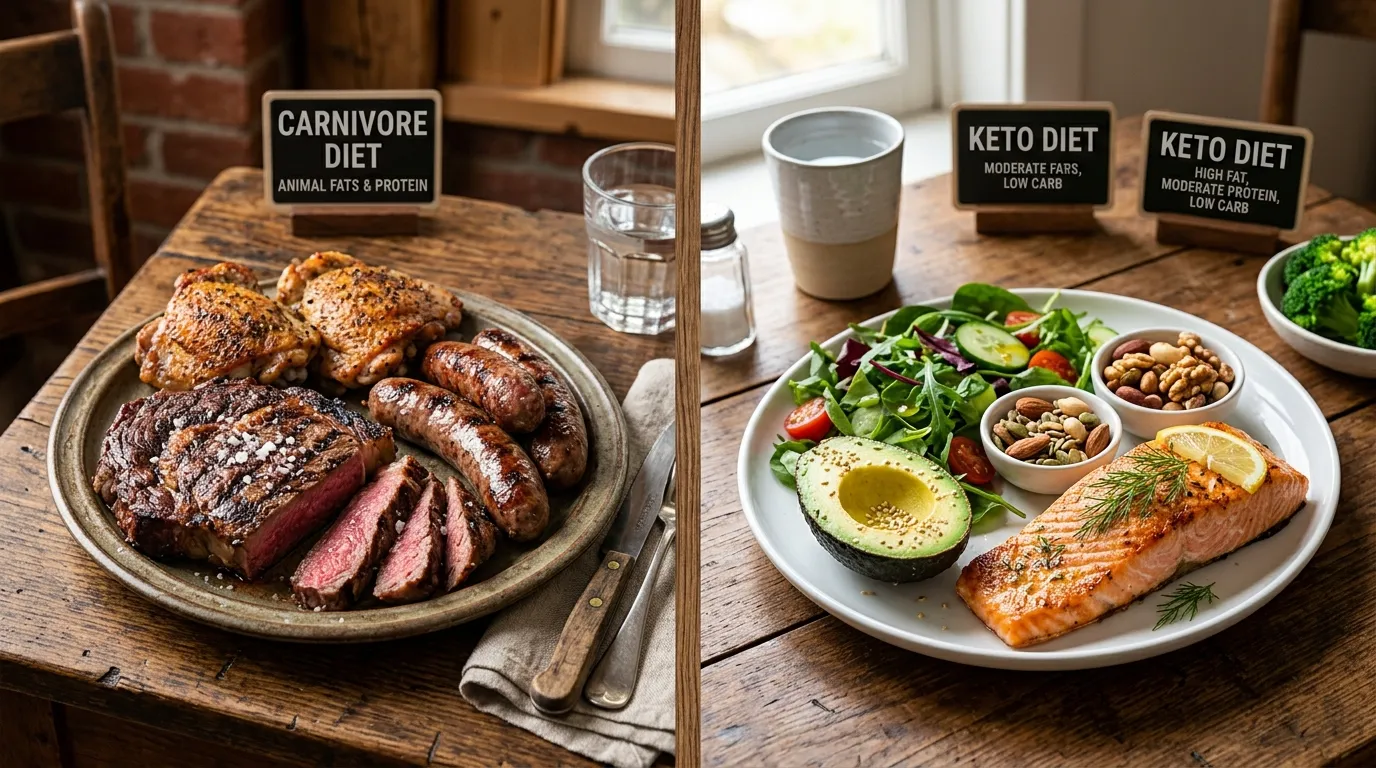
The ketogenic protocol focuses on shifting your body into a sustained state of fat adaptation. By consuming high amounts of dietary fat, moderate amounts of protein, and very few carbohydrates (typically under 20 to 50 grams of net carbs per day), your liver begins producing ketone bodies. This specific metabolic state helps combat insulin resistance by keeping blood sugar levels exceptionally stable, providing a steady stream of clean energy to your brain and bodily tissues.
Followers of this lifestyle typically track their daily food intake meticulously. Rigorous macronutrient tracking ensures they stay within the specific mathematical ranges required to maintain ketosis. This usually means eating plenty of leafy green vegetables, nuts, seeds, avocados, and healthy oils alongside high-quality meats, poultry, and fish. The inclusion of plant-based foods provides essential dietary fiber, which many experts believe is necessary for optimal gut health and digestion. By carefully balancing these macronutrients, individuals can enjoy a wide variety of foods while still reaping the benefits of lowered insulin levels.
The Zero-Carb Philosophy Explained
The zero-carb approach takes nutritional restriction a massive step further. It operates as the ultimate elimination diet, removing all plant matter entirely from your plate. Followers consume strictly animal products: beef, pork, poultry, fish, eggs, and occasionally certain low-lactose dairy products like hard cheeses and heavy cream. You eliminate all vegetables, fruits, grains, nuts, seeds, and legumes.
Advocates of this strict regimen argue that removing plant toxins, antinutrients, and fermentable fibers reduces systemic inflammation, heals the intestinal lining, and resolves autoimmune symptoms. You do not need to worry about counting carbohydrates because the foods you consume naturally contain zero carbs. This simplicity attracts many people who feel entirely burned out by the constant tracking, measuring, and food weighing required by other protocols. In the carnivore diet vs keto debate, this total lack of plant matter is the most defining and controversial difference.
The Core Differences: A Detailed Comparison
Comparing the carnivore diet vs keto requires examining daily dietary habits, long-term sustainability, and digestive responses. While both strategies effectively reduce blood sugar spikes and lower circulating insulin, their day-to-day realities and biological impacts differ significantly.
In the carnivore diet vs keto paradigm, the inclusion or exclusion of plant fiber plays a massive role in digestion. Keto relies on fiber to maintain bowel regularity, whereas carnivore relies on high fat intake and the near-complete absorption of meat in the small intestine. Let us break down the exact differences in a structured format.
|
Feature |
Ketogenic Protocol |
Zero-Carb Protocol |
|---|---|---|
|
Plant Foods |
Allowed and encouraged (low-carb veggies, berries) |
Strictly prohibited entirely |
|
Primary Fuel Source |
Dietary fats (from both plant and animal sources) |
Animal fats and animal proteins exclusively |
|
Tracking Required |
High (must count net carbs to maintain ketosis) |
Low (eat meat until comfortably full) |
|
Fiber Intake |
Highly encouraged through vegetables and seeds |
Minimal to none at all |
|
Primary Focus |
Ketone production and sustained fat burning |
Complete elimination of plant-based antinutrients |
|
Supplementation |
Often requires electrolytes and magnesium |
Many claim it provides complete nutrition without supplements |
Deep Dive into Health Benefits and Outcomes

People choose these strict nutritional paths for various compelling reasons. Some individuals want to lose stubborn body weight rapidly, while others seek desperate relief from chronic autoimmune conditions, severe joint pain, or debilitating brain fog. Analyzing the carnivore diet vs keto requires looking at the specific health outcomes reported by practitioners of both lifestyles.
Weight Loss and Fat Burning Mechanisms
Both strategies excel tremendously at promoting rapid weight loss and fat burning. When you remove refined carbohydrates and sugars from your daily plate, your baseline insulin levels drop significantly. Lower insulin levels allow your adipose tissue (fat cells) to release stored energy for your body to burn.
The keto approach achieves this through careful portion control of carbohydrates and a high intake of satiating fats. The all-meat approach achieves this naturally because animal proteins and fats are incredibly satiating, making it physically difficult to overeat total calories. Furthermore, the high thermic effect of protein means your body burns more calories simply digesting a steak compared to digesting a bowl of broccoli and olive oil. In the context of carnivore diet vs keto for weight loss, both are highly effective, but the all-meat diet often forces a steeper caloric deficit due to absolute food restriction.
Mental Clarity and Sustained Energy
Debilitating brain fog often lifts entirely when you transition away from a sugar-dependent metabolism. Ketone bodies provide a remarkably clean, efficient fuel source for your brain cells. Many people report feeling a massive surge of sustained energy throughout the entire day, completely free from the dreaded afternoon crashes associated with high-carbohydrate meals.
Achieving true metabolic flexibility means your body can seamlessly switch between burning dietary fat and stored body fat without experiencing hunger pangs or energy dips. Whether you choose the carnivore diet vs keto, becoming metabolically flexible allows you to fast easily, concentrate deeply on complex tasks, and perform physically without needing a constant supply of sugary snacks.
Digestive Health and Inflammation
Digestive health is perhaps the most fiercely debated topic within the carnivore diet vs keto community. Ketogenic dieters believe that feeding the gut microbiome with diverse plant fibers produces beneficial short-chain fatty acids like butyrate, which protect the colon lining. They argue that a healthy microbiome requires plant diversity.
Conversely, strict meat-eaters argue that fiber is entirely unnecessary and often exacerbates conditions like Irritable Bowel Syndrome (IBS), bloating, and gas. By removing all fermentable carbohydrates, the gut receives a profound rest, allowing the intestinal lining to heal. Many individuals with severe autoimmune diseases report that the absolute elimination of plant defenses (like oxalates, lectins, and phytates) is the only way they can live symptom-free.
The Science of Nutrient Density
A major concern when discussing the carnivore diet vs keto is nutrient adequacy. Can you actually survive and thrive without eating a single vegetable?
The ketogenic diet easily meets standard nutritional guidelines because it includes nutrient-dense vegetables like spinach, kale, and broccoli, which provide ample vitamin C, potassium, and magnesium. However, the bioavailability of these nutrients is sometimes hindered by plant antinutrients.
Strict meat diets rely on the high bioavailability of animal nutrition. Beef, especially organ meats like beef liver, contains incredibly high concentrations of vitamin A, B12, iron, zinc, and folate. While critics point out the lack of vitamin C in a meat-only diet, proponents argue that without carbohydrates competing for absorption, the body’s requirement for vitamin C drops dramatically, and the small amounts found in fresh meat are entirely sufficient to prevent scurvy.
Common Mistakes to Avoid
Transitioning to a highly restrictive eating plan comes with steep physiological and psychological learning curves. Avoid these frequent pitfalls to ensure your success when navigating the carnivore diet vs keto landscape:
- Fearing Dietary Salt: When you drastically cut carbohydrates, your insulin levels drop, causing your kidneys to excrete sodium rapidly. You must salt your food generously to prevent painful headaches, muscle cramps, and severe fatigue.
- Eating Excessively Lean Meats: Both nutritional plans require adequate fat for energy. Choosing only skinless chicken breasts or lean turkey will leave you ravenously hungry and lacking energy. Always opt for fatty cuts like ribeye steak, pork belly, or wild-caught salmon.
- Ignoring Proper Hydration: Your body sheds stored water weight very quickly during the first week of carbohydrate restriction. Drink plenty of purified water to support your kidneys and maintain overall digestive motility.
- Overcomplicating Your Meals: Keep your grocery shopping list incredibly simple. Focus on whole, unprocessed foods rather than buying expensive, heavily packaged low-carb snacks that often contain hidden artificial sweeteners and inflammatory seed oils.
- Quitting During the Adaptation Phase: The first two weeks can be physically taxing as your body adjusts. Do not quit before you experience the benefits; push through the initial fatigue by managing your electrolytes properly.
Pro Tips and Expert Insights
To elevate your nutritional strategy and maximize your results, consider these advanced tactics utilized by top-tier functional medicine practitioners and experienced dieters:
Prioritize organ meats if you choose the absolute elimination route. Liver, heart, and kidney act as nature’s most potent multivitamins. If you cannot stand the taste, consider high-quality desiccated organ supplements. Organizations like the American Society for Nutrition frequently discuss the unmatched bioavailability of heme iron and vitamins found exclusively in animal organs.
If you are following the standard ketogenic protocol, focus on the quality of your fats. Avoid highly processed vegetable oils like canola, soybean, or corn oil. Instead, liberally use cold-pressed olive oil, virgin coconut oil, grass-fed butter, and beef tallow to keep your systemic inflammation as low as possible.
Furthermore, approach this lifestyle change with a structured mindset. Just as universities utilize a synchronized digital campus ecosystem to streamline student communication and reduce friction, you must streamline your kitchen environment. Remove all tempting carbohydrate-rich foods from your pantry to create a calm, focused environment that supports your new nutritional goals.
Physical Performance and Exercise
Athletes often wonder how the carnivore diet vs keto affects physical performance, muscle growth, and endurance. The conventional wisdom states that athletes require large amounts of carbohydrates to replenish muscle glycogen.
However, fat-adapted athletes operate differently. Once fully adapted, your body becomes incredibly efficient at burning fat for fuel, preserving muscle glycogen for intense, explosive efforts. Endurance athletes, such as ultramarathon runners, often thrive on a ketogenic or all-meat diet because they can tap into their virtually limitless stores of body fat, eliminating the need to consume sugary gels during a race.
For strength training and bodybuilding, protein is the critical factor. Both diets provide abundant high-quality protein to stimulate muscle protein synthesis. While you may temporarily lose some explosive power during the initial adaptation phase, most lifters find their strength fully returns, accompanied by a leaner, more defined physique due to the natural fat loss inherent in these protocols.
Evaluating Long-Term Sustainability

The ultimate success of any dietary intervention depends entirely on long-term adherence. When evaluating the carnivore diet vs keto, you must honestly assess your social life, culinary preferences, and psychological relationship with food.
The ketogenic lifestyle offers a fair amount of culinary variety. You can bake low-carb breads using almond flour, enjoy elaborate salads, and easily find compliant meals at most standard restaurants by simply ordering a burger without the bun and swapping fries for a side salad. This flexibility makes keto highly sustainable for people who enjoy cooking and socializing.
Conversely, the all-meat protocol is socially restrictive. Attending dinner parties or dining at vegan-friendly restaurants becomes highly complicated. However, for individuals who view food purely as fuel, or for those who suffer from severe food addictions and binge eating disorders, the extreme simplicity of eating only meat removes all culinary anxiety and decision fatigue.
Transitioning Safely into Your Chosen Diet
Jumping immediately from a Standard American Diet (SAD) into a zero-carb protocol can shock your digestive system, leading to severe fatigue and undesirable bathroom habits. A phased approach is highly recommended by nutritional experts.
Start by entirely eliminating processed sugars, refined grains, and seed oils. Spend two weeks eating a whole-food diet that includes complex carbohydrates like sweet potatoes and fruit. Next, transition into a standard ketogenic diet by dropping your carbohydrates below 50 grams per day. Spend at least four weeks here to allow your body to achieve fat adaptation.
Once you are comfortably burning fat and generating ketones, you can then safely experiment with the all-meat elimination protocol if you choose to do so. This slow, methodical tapering minimizes digestive distress, prevents the dreaded transition flu, and sets a strong foundation for lasting success.
The Role of Fasting
Both of these low-carb lifestyles pair exceptionally well with intermittent fasting. Because animal fats and proteins stabilize blood sugar and suppress hunger hormones like ghrelin, practitioners naturally find themselves eating fewer meals.
Combining the carnivore diet vs keto with a time-restricted eating window (such as the popular 16:8 method, where you fast for 16 hours and eat all your meals within an 8-hour window) supercharges fat loss and triggers autophagy—a biological process where your body cleans out damaged cells and regenerates new, healthy ones. This powerful combination is often utilized to reverse metabolic syndrome and promote profound longevity.
Conclusion
Deciding the ultimate winner in the carnivore diet vs keto debate depends entirely on your unique physiology, specific health goals, and personal lifestyle preferences. Both pathways offer incredible, life-changing benefits for those seeking to escape the disastrous effects of modern processed foods. Ready to completely transform your health and reclaim your vitality? Start planning your transition today, consult with your healthcare provider, and choose the nutritional strategy that perfectly supports your journey to optimal wellness.
Frequently Asked Questions
1. Which approach provides faster weight loss in the carnivore diet vs keto debate?
Both dietary approaches lead to rapid initial weight loss, mostly due to shedding retained water associated with glycogen storage. However, the all-meat approach often creates a naturally steeper caloric deficit due to the extreme high satiety of animal protein, potentially leading to slightly faster fat loss for some individuals who struggle with portion control.
2. Do I need to constantly track my macros on both of these plans?
You generally need to track your macros quite closely on the ketogenic plan to ensure you stay under your daily carbohydrate limit and maintain ketone production. The zero-carb plan rarely requires any tracking whatsoever, as the simple rule is to eat fatty meat until you feel completely full and stop when you are satisfied.
3. Can I build substantial muscle without eating any carbohydrates?
Yes, absolutely. Both strategies provide ample complete protein and dietary fat to support robust muscle growth. While carbohydrates can help replenish muscle glycogen slightly faster after intense hypertrophy workouts, your body highly adapts to synthesize the necessary glucose from dietary protein through a natural biological process called gluconeogenesis.
4. Will I get enough vitamin C without eating any fresh fruit or vegetables?
Fresh meat, especially raw or lightly cooked organ meats, contains small but highly bioavailable amounts of vitamin C. Additionally, when you completely stop consuming carbohydrates, your body’s daily requirement for vitamin C decreases dramatically because glucose and vitamin C compete for the exact same cellular absorption receptors.
5. What exactly is the “keto flu” and does it happen on both of these diets?
The “keto flu” refers to a temporary collection of uncomfortable symptoms like fatigue, headaches, brain fog, and muscle cramps caused by rapid electrolyte excretion during the transition away from carbohydrates. It can happen on either plan but is easily and rapidly remedied by proactively increasing your daily sodium, potassium, and magnesium intake.
6. Can I still drink my morning coffee on these strict nutritional plans?
Black coffee perfectly aligns with the standard ketogenic rules and is widely consumed. In the zero-carb community, coffee sits in a highly debated gray area. Strict purists avoid it entirely because it comes from a plant bean, but many followers still consume it daily without any reported adverse effects on their health.
7. Is it actually safe for my heart to eat so much saturated animal fat?
Modern nutritional science increasingly demonstrates that saturated fat does not inherently cause heart disease when consumed in the total absence of refined carbohydrates, sugars, and inflammatory seed oils. However, you should always monitor your individual blood lipid markers with a knowledgeable physician to ensure your specific biology responds favorably.
8. How do I transition safely into these eating habits without feeling sick?
Start by completely eliminating all processed sugars and heavily refined grains from your pantry. Then, gradually reduce your daily carbohydrate intake over a period of three to four weeks. This slow, methodical tapering helps significantly minimize digestive distress, prevents severe energy dips, and allows your microbiome to adjust safely.
9. Can I easily switch back and forth between the two diets?
Absolutely. Many people wisely start with a strict animal-based protocol as a temporary elimination phase to heal their leaky gut and resolve inflammation, and then slowly reintroduce low-carb vegetables one at a time to see exactly what their body tolerates, effectively transitioning into a sustainable long-term ketogenic lifestyle.
10. Which plan is generally easier to maintain for the long term?
This depends entirely on your unique personality, food relationship, and social life. The ketogenic lifestyle offers much more culinary variety and substantially easier dining-out options. Conversely, the zero-carb lifestyle offers unmatched, peaceful simplicity for those who suffer from severe food cravings, decision fatigue, or debilitating autoimmune flare-ups.