


Tired of yo-yo dieting? Achieving sustainable weight loss requires ditching extreme restrictions and embracing science-backed habits that transform your body and health for the long haul.
This guide reveals ten proven strategies to help you shed fat and keep it off. You will discover how to optimize your nutrition, manage stress, improve sleep, and build an enjoyable lifestyle that guarantees lasting results without sacrificing the foods you love.
1. Prioritize Lean Protein Intake
Protein is the most crucial macronutrient when you want to change your body composition. Eating enough protein helps you build muscle and shed fat simultaneously.
Why Protein Matters
Your body uses more energy to digest protein than it does to digest fats or carbohydrates. This process, known as the thermic effect of food, naturally boosts your daily calorie burn. Furthermore, protein keeps you feeling full. When you feel satisfied after a meal, you are far less likely to reach for sugary snacks later in the day.
How to Implement It
Aim to include a palm-sized portion of protein in every meal. Great sources include chicken breast, fish, tofu, Greek yogurt, lentils, and eggs. If you struggle to hit your daily targets, a high-quality whey or plant-based protein powder can fill the gaps. Start your morning with a protein-heavy breakfast to stabilize your blood sugar and set a positive tone for the rest of your day.
2. Adopt Mindful Eating Practices
Mindful eating shifts your focus from what you eat to how you eat. It requires paying full attention to the experience of eating and recognizing your body’s internal cues.
The Science of Satiety
It takes your brain about 20 minutes to register that your stomach is full. When you eat quickly while watching television or scrolling on your phone, you easily consume more calories than your body actually needs. Mindful eating slows you down, improving digestion and preventing accidental overeating.
Steps to Eat Mindfully
Sit down at a table for your meals. Put your fork down between bites and chew your food thoroughly. Pay attention to the texture, flavor, and smell of your meal. Stop eating when you feel about 80% full, rather than stuffed. This simple psychological shift creates a massive physical difference over time.
3. Focus on Quality Sleep
Sleep is the unsung hero of fat loss. You can perfectly execute your diet and exercise routines, but if you lack sleep, your progress will stall.
Hormonal Balance
Sleep deprivation directly impacts two key hunger hormones: ghrelin and leptin. Ghrelin signals hunger, while leptin signals fullness. When you lack sleep, ghrelin levels spike and leptin levels drop. You wake up feeling starving, specifically craving high-calorie, carbohydrate-rich foods. Poor sleep also increases cortisol, a stress hormone that encourages your body to store fat around your midsection.
Improving Sleep Hygiene
Commit to getting seven to nine hours of restful sleep each night. Create a cool, dark, and quiet bedroom environment. Turn off all electronic screens at least an hour before bed, as blue light disrupts your natural melatonin production. Reading a book or taking a warm bath can help signal to your brain that it is time to wind down.
4. Manage Daily Stress Levels
Chronic stress severely hinders your ability to drop stubborn body fat. When you feel stressed, your body shifts into survival mode, making weight loss incredibly difficult.
The Cortisol Connection
Elevated cortisol levels slow down your metabolism and promote fat storage. Stress also triggers emotional eating. Many people turn to comfort foods high in sugar and fat to temporarily soothe their anxiety. This creates a vicious cycle of stress, weight gain, and more stress.
Stress Reduction Techniques
You must build active stress management into your daily routine. Deep breathing exercises, yoga, meditation, and regular walks outside can drastically lower your cortisol levels. Find an activity that calms your mind and practice it daily, even if you only have ten minutes to spare.
5. Build Non-Exercise Activity (NEAT)
You do not need to spend hours in the gym to burn a significant amount of calories. Non-Exercise Activity Thermogenesis (NEAT) refers to the energy you burn doing everyday tasks.
The Power of Daily Movement
NEAT includes walking to the store, cleaning your house, taking the stairs, and even fidgeting at your desk. For most people, NEAT accounts for a much larger portion of daily calorie burn than actual exercise. Increasing your NEAT is a highly effective way to create a calorie deficit without feeling exhausted.
Reaching Your Step Goals
Aiming for 8,000 to 10,000 steps a day is an excellent benchmark. Take a 15-minute walk after every meal. Not only does this add thousands of steps to your day, but it also helps lower your blood sugar and improves digestion. Park further away from store entrances and take the stairs instead of the elevator whenever possible.
6. Incorporate Strength Training
Cardiovascular exercise is fantastic for your heart, but strength training transforms your body shape and metabolic rate.
Muscle as Metabolic Currency
Muscle tissue is highly active. It burns calories around the clock, even when you are sitting on the couch. By lifting weights and building lean muscle mass, you permanently increase your resting metabolic rate. This means you can eat more food over time without gaining weight.
Building a Routine
You do not need to lift heavy weights six days a week to see results. Two to three days of full-body resistance training is plenty for most beginners. Focus on compound movements like squats, lunges, push-ups, and rows. These exercises work multiple muscle groups at once, offering the best return on your time investment.
7. Stay Properly Hydrated
Water plays a vital role in every cellular process in your body, including fat metabolism. Often, we confuse thirst with hunger, leading to unnecessary snacking.
Hydration and Fat Burning
Your body needs water to efficiently process stored fat into usable energy. Mild dehydration can slow down your metabolism and leave you feeling fatigued, making you less likely to move and more likely to skip your workouts.
Hydration Habits
Aim to drink at least eight large glasses of water a day. Keep a reusable water bottle with you at your desk and in your car. Try drinking a full glass of water 30 minutes before your meals. This practice helps naturally control your portion sizes by making you feel slightly full before you even take your first bite.
8. Increase Dietary Fiber
Fiber is the ultimate secret weapon for getting lean. It provides bulk to your diet without adding extra calories.
Satiety and Gut Health
Soluble fiber absorbs water and forms a gel-like substance in your digestive tract. This slows down digestion and keeps you feeling full for hours. Furthermore, fiber feeds the beneficial bacteria in your gut. A healthy gut microbiome is heavily linked to better weight management and reduced inflammation.
Finding Fiber
To boost your intake, load up on vegetables, fruits, legumes, nuts, and seeds. Swap out refined white grains for whole grains like oats, brown rice, and quinoa. Aim for 25 to 30 grams of fiber per day, but increase your intake gradually to avoid stomach discomfort.
9. Practice Flexible Nutrition
Strict diets that ban your favorite foods always fail. If you tell yourself you can never have chocolate again, you will obsess over it until you eventually binge.
The 80/20 Rule
Sustainable weight loss requires flexibility. Use the 80/20 rule: get 80% of your calories from whole, nutrient-dense foods, and save the remaining 20% for treats you genuinely enjoy. This balance prevents feelings of deprivation and keeps you consistent over the long term.
Consistency Over Perfection
One heavy meal will not ruin your progress, just like one salad will not magically make you fit. What matters most is what you do consistently. If you overeat at a party, simply return to your normal, healthy habits the very next day. Do not punish yourself with extreme cardio or starvation.
10. Track Behaviors, Not Just the Scale
The scale is a notoriously terrible tool for measuring day-to-day progress. Your weight fluctuates constantly based on hydration, salt intake, digestion, and hormones.
Focusing on Inputs
Instead of agonizing over the number on the scale, track your daily behaviors. Did you hit your protein target? Did you drink enough water? Did you walk 8,000 steps? When you consistently execute the right behaviors, the physical results inevitably follow.
Alternative Measurements
Pay attention to how your clothes fit. Take weekly progress photos in the same lighting. Notice how your energy levels improve and how much stronger you feel during your workouts. These non-scale victories are far more indicative of true health and fat loss.
Comparison: Sustainable Habits vs. Restrictive Diets
|
Feature |
Sustainable Strategies |
Restrictive Diets |
|---|---|---|
|
Duration |
Lifelong approach |
Short-term fix |
|
Food Choices |
All foods fit in moderation |
Eliminates entire food groups |
|
Energy Levels |
High and stable |
Frequent crashes and fatigue |
|
Metabolism |
Protected and boosted |
Slowed down due to starvation |
|
Mental Health |
Positive relationship with food |
Guilt, anxiety, and obsession |
Balanced Nutrition for Sustainable Weight Loss
Focus on Whole Foods
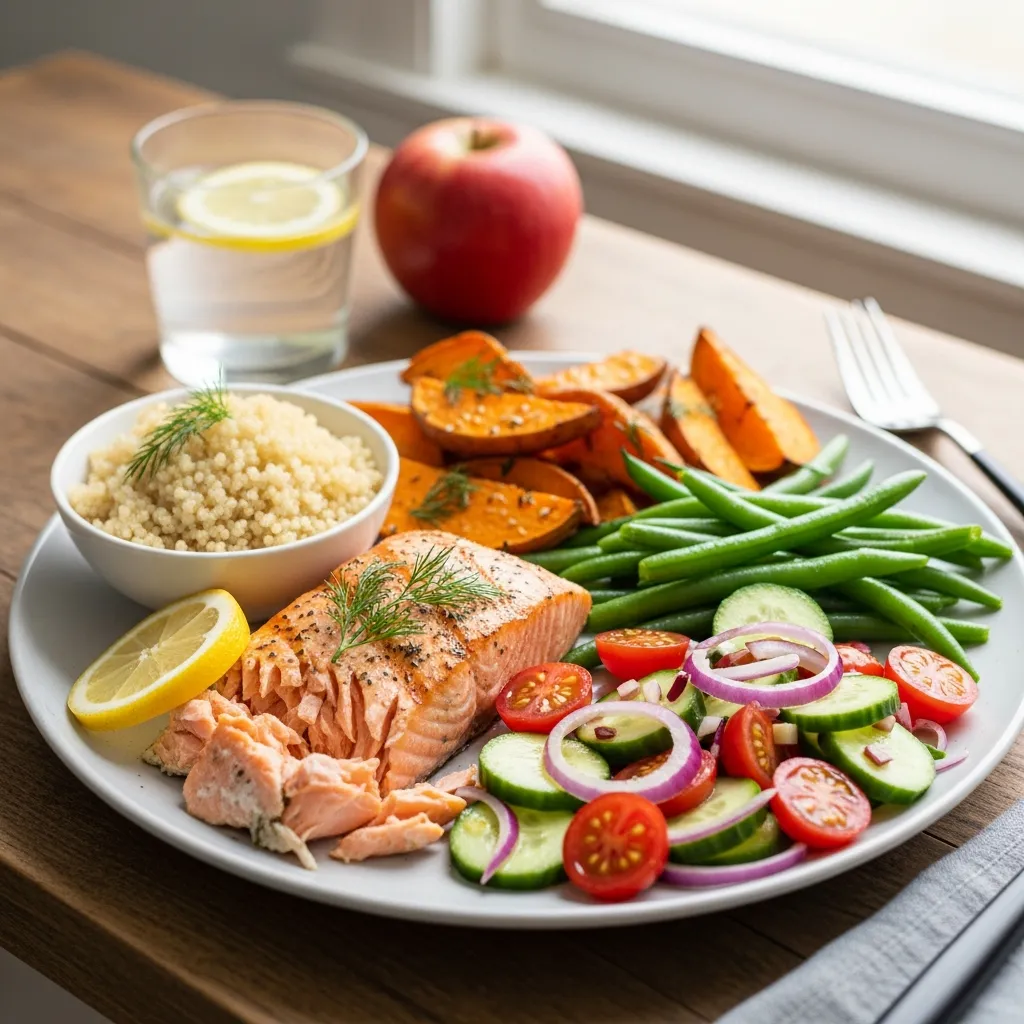
At the core of lasting weight loss lies a nutrient-dense diet that prioritizes whole foods. Fruits, vegetables, lean proteins, whole grains, and healthy fats deliver essential vitamins, minerals, and fiber that support metabolism and satiety. Today’s research from the Harvard T.H. Chan School of Public Health highlights the role of plant-based ingredients in reducing cravings and stabilizing blood sugar levels. Incorporating a variety of colorful produce ensures a broad spectrum of phytonutrients and antioxidants, aiding overall well-being. Rather than eliminating entire food groups, focus on portion control and mindful substitutions, such as swapping refined grains for quinoa or brown rice.
Tailoring Macronutrient Intake
While calorie balance remains critical, the distribution of carbohydrates, proteins, and fats can influence your weight loss journey. Protein-rich sources like poultry, fish, legumes, and low-fat dairy help preserve lean muscle mass during a calorie deficit. Muscle tissue burns more energy at rest than fat, making it a key ally for boosting resting metabolic rate. Carbohydrates from whole grains and starchy vegetables provide sustained energy for workouts and daily activities. Fats from nuts, seeds, and olive oil support hormone production and nutrient absorption.
To create a moderate calorie deficit without compromising nutrient intake, aim for approximately 500 calories below maintenance levels. This approach typically yields weight loss of around 1–2 pounds per week—a sustainable pace that minimizes muscle loss and metabolic slowdown. Tracking tools and apps can help monitor macronutrient ratios and overall intake. However, avoid overly rigid tracking that leads to stress or disordered behaviors. Instead, use data to guide adjustments, ensuring you feel energized and satisfied.
Meal Planning and Preparation
Meal planning reduces decision fatigue and prevents impulsive choices in today’s fast-paced routines. Set aside time each week to design balanced menus, focusing on simple recipes that align with your culinary preferences. Batch cooking proteins, chopping vegetables, and storing pre-portioned meals can streamline busy days. This level of preparation supports consistency and helps you stick to your weight loss goals, even when responsibilities demand your attention.
Micronutrient balance—vitamins and minerals—plays a hidden but crucial role in weight loss. Nutrient deficiencies can trigger fatigue, cravings, and hinder metabolic processes. Ensuring a colorful plate provides iron, magnesium, calcium, and B vitamins that support energy metabolism and muscle recovery. If gaps exist, consider consulting a registered dietitian or healthcare professional before adding supplements. A balanced approach aligns with guidelines from the CDC, which recommends diverse food groups each day to meet micronutrient needs.
Finally, remember that dietary flexibility fosters adherence over time. Occasional indulgences—a piece of dark chocolate or a family dinner out—can be incorporated without derailing progress. The key is to view these moments as part of a balanced lifestyle rather than permission to overconsume. By mastering balanced nutrition, you lay the groundwork for effective, sustainable weight loss that can evolve with your changing needs and preferences.
Effective Exercise Routines for Optimal Results

Combining Cardiovascular and Resistance Training
Regular physical activity is a cornerstone of sustainable weight loss. Cardiovascular exercises—such as running, cycling, swimming, and high-intensity interval training (HIIT)—promote calorie burning and improve heart health. Resistance training, including weightlifting and bodyweight movements, helps preserve and build lean muscle mass, which elevates resting metabolic rate. In today’s digital landscape, numerous workout apps and online platforms offer guided routines tailored to all fitness levels. Whether you prefer gym equipment or home-based circuits, aim to include at least 150 minutes of moderate-intensity cardio per week alongside two to three strength sessions. This balanced approach ensures you benefit from both aerobic endurance and muscular strength.
Progressive Overload and Recovery
To continue making progress toward your weight loss goals, incorporate the principle of progressive overload. Gradually increasing resistance, volume, or intensity challenges muscles and encourages adaptation. This can mean adding extra repetitions, lifting heavier weights, or modifying exercise tempo. Equally important is recovery; muscles need time to repair and grow stronger. Schedule rest days and incorporate active recovery activities such as yoga, stretching, or light walking. Quality recovery supports performance gains and reduces injury risk, keeping you consistent in your routine.
HIIT has gained popularity this year (2026) because it delivers efficient calorie burn in shorter time frames. Alternating between intense work periods and brief rest intervals elevates metabolic rate long after exercise ends—a phenomenon known as excess post-exercise oxygen consumption (EPOC). However, because HIIT can be demanding, limit sessions to two or three per week and adjust intensity to your fitness level to avoid overtraining.
A well-rounded exercise program also includes functional movements that mimic everyday activities. Squats, lunges, push-ups, and planks enhance joint stability and movement patterns, reducing the likelihood of injury in daily tasks. Functional fitness not only contributes to weight loss but also improves posture and overall mobility.
Setting Realistic Goals and Staying Motivated
Establishing clear, attainable objectives fosters motivation and accountability. Use specific metrics such as number of workouts per week, strength targets (e.g., lifting a certain weight), or distance goals for running or cycling. Tracking progress visually—through performance logs or fitness trackers—provides tangible evidence of improvement. In today’s social environment, online communities and fitness challenges offer additional support and camaraderie. Sharing milestones, exchanging tips, and celebrating successes can fortify your commitment and make weight loss feel like a collective journey rather than an isolated effort.
Before each session, invest five to ten minutes in a dynamic warm-up, incorporating mobility drills such as arm circles, leg swings, and light cardio. A proper warm-up primes muscles and joints, enhancing performance and lowering injury risk. After workouts, allocate time for static stretching or foam rolling to alleviate muscle tightness and improve recovery.
Cross-training—rotating between different activities—prevents overuse injuries and keeps routines engaging. If you enjoy running, supplement with swimming or cycling; if weightlifting is your passion, add a dance or martial arts class to spice up your regimen. Variety not only challenges the body in new ways but also maintains your enthusiasm for consistent exercise. By structuring your workouts around both intensity and recovery, you’ll optimize your weight loss journey while fostering a lifelong appreciation for movement.
Hydration, Sleep, and Hormonal Balance
The Role of Proper Hydration
Water plays a pivotal role in weight loss by regulating metabolism, supporting digestion, and curbing appetite. Drinking a glass of water before meals can promote a sense of fullness, reducing overall calorie intake. The CDC recommends consuming at least eight glasses of water daily, although individual needs may vary based on activity level, climate, and body composition. In today’s digital landscape, mobile apps can track fluid intake and send reminders to hydrate. For an extra boost, add slices of citrus or cucumber for natural flavor without added calories.
Quality Sleep for Metabolic Health
Adequate sleep is an often-overlooked pillar of weight loss. Sleep deprivation disrupts hunger hormones—ghrelin increases appetite while leptin signals fullness—leading to heightened cravings and overeating. Currently, research from the National Institutes of Health suggests that adults should aim for 7 to 9 hours of restful sleep per night. Establishing a consistent bedtime routine, limiting screen exposure before bed, and creating a dark, comfortable environment can enhance sleep quality.
Stress hormones like cortisol also influence fat storage, particularly around the abdominal area. Elevated cortisol from chronic stress can sensitize the body to store energy as fat. Techniques such as deep breathing, progressive muscle relaxation, and guided imagery help regulate stress responses. Allocating a few minutes each day for mindfulness or meditation can positively impact sleep patterns and hormonal balance, reinforcing your weight loss efforts.
Integrating Hydration and Rest into Daily Life
Proper hydration extends beyond plain water. During prolonged or intense exercise, replenishing electrolytes—sodium, potassium, magnesium—becomes essential to maintain muscle function and prevent cramps. Naturally occurring sources such as coconut water or a pinch of sea salt in homemade electrolyte drinks can suffice without the sugar overload found in many commercial beverages.
Furthermore, staying hydrated supports nutrient transport and waste removal at a cellular level, enhancing recovery and reducing fatigue. When hydration dips, cognitive function and focus may also decline, making it harder to resist unhealthy food temptations. By recognizing water as a key component of your weight loss plan, you pave the way for improved performance, better appetite control, and a balanced hormonal profile.
Integrating hydration and quality sleep into a busy schedule may seem challenging, but small adjustments can yield big returns. Set bottles of water in visible spots—on your desk, kitchen counter, or bedside table—to remind yourself to sip throughout the day. Schedule wind-down activities such as reading or gentle stretching thirty minutes before bedtime to signal to your body that it’s time to rest. In today’s fast-paced world, prioritizing these foundational habits offers a competitive edge in maintaining energy levels and supporting weight loss goals. By addressing both fluid intake and restorative rest, you create an internal environment primed for metabolic efficiency and long-term success.
Mindful Eating and Stress Management

Practicing Mindful Eating
Mindful eating encourages full awareness of hunger signals, flavors, textures, and satiety cues. Today, in a world full of distractions, we often consume meals while multitasking—checking smartphones or watching television—leading to overeating. To counteract this, designate technology-free zones at mealtimes. Chew slowly, savor each bite, and pause between mouthfuls to evaluate your fullness level. Research indicates that this approach can reduce calorie intake by fostering a stronger connection between mental satisfaction and food consumption.
Start meals with a few deep breaths and set an intention to eat until you feel comfortably satisfied, not stuffed. Use smaller plates to naturally adjust portion sizes, and opt for whole-food ingredients that require more chewing, extending the duration of your meals. Over time, these simple shifts reinforce healthier eating habits and establish a positive relationship with food that supports long-term weight loss.
Effective Stress Reduction Techniques
Chronic stress elevates cortisol levels and can sabotage weight loss by promoting emotional eating and fat storage. Incorporating stress management techniques into your daily routine can protect your hormonal balance and reduce unhealthy cravings. Techniques such as deep diaphragmatic breathing, progressive muscle relaxation, or brief mindfulness sessions—even just five minutes—can lower stress markers and improve mental clarity.
Activities like yoga and tai chi combine physical movement with breath control and mental focus, offering a dual benefit for stress relief and weight loss support. Spending time in nature, whether through hiking, gardening, or simply walking in a local park, can further diminish stress and promote emotional well-being. When stress arises, engage in healthy outlets such as journaling, creative pursuits, or talking with a trusted friend.
Creating a supportive environment is also vital for mindful eating. Stock your kitchen with nutrient-rich staples and limit the availability of high-sugar or highly processed items that trigger impulsive snacking. Label containers clearly and position healthier options at eye level in your pantry or fridge, setting yourself up for success when hunger strikes. Identifying emotional triggers—such as fatigue, boredom, or anxiety—and developing alternative coping strategies prevents turning to food for comfort.
In today’s digital landscape, apps offering guided meditation and biofeedback tools can help you track stress levels and progress. Some platforms collaborate with universities and research institutions to deliver evidence-based programs that enhance resilience and self-awareness. By addressing psychological triggers and practicing stress resilience, you empower yourself to make conscious choices that align with dieting and exercise routines, bolstering your weight loss journey.
Tracking Progress and Building Social Support
Monitoring Your Journey
Consistent tracking offers valuable data to guide and refine your weight loss plan. Whether through a handwritten food diary, a calorie-tracking app, or wearable fitness devices, self-monitoring increases accountability and awareness of habits. Log your meals, portion sizes, exercise sessions, and even sleep patterns to detect trends that aid or hinder progress. Reviewing weekly summaries helps you identify plateaus and make informed adjustments to your nutritional intake or workout intensity.
While metrics such as weight and body measurements provide tangible feedback, don’t neglect non-scale victories like increased energy, improved mood, or enhanced strength. Celebrating these milestones bolsters motivation and reinforces the benefits of a healthier lifestyle. In today’s digital landscape, online dashboards and data visualizations transform raw numbers into clear insights, enabling you to set challenging yet realistic objectives for the months ahead.
Leveraging Social Support
Building a support system is a dynamic way to sustain momentum on your weight loss journey. Share your goals with trusted friends or family members who can offer encouragement and accountability. Join online communities or local groups where members exchange tips, celebrate achievements, and empathize with common challenges. Platforms supported by institutions like the National Institute of Diabetes and Digestive and Kidney Diseases provide moderated forums and expert resources to guide participants through evidence-based strategies.
Consider partnering with a workout buddy or enlisting the services of a certified coach or registered dietitian. Personalized guidance ensures that workouts remain effective and nutrition strategies are tailored to your unique needs. Regular check-ins help maintain consistency and provide motivation when self-discipline wanes. Additionally, accountability partners can introduce new ideas—such as creative recipes or alternative workouts—that keep routines fresh and engaging.
Positive social reinforcement taps into the psychological power of community, making weight loss feel less like a solitary effort and more like a shared venture. By surrounding yourself with supportive individuals, you create an environment where healthy choices are celebrated, setbacks are met with empathy, and long-term success becomes a collective priority.
In some cases, technology-based coaching platforms combine live support with data-driven insights, offering scalable solutions for personalized accountability. With real-time feedback and adaptive goal-setting, these services harness cutting-edge research from leading universities to deliver effective, customized programs. Embracing both personal relationships and digital networks enhances your resilience against obstacles and fosters a sustainable path to lifelong health.
Conclusion
Achieving sustainable weight loss is an ongoing journey that thrives on balanced nutrition, purposeful exercise, proper hydration and rest, mindful eating, and supportive tracking systems. In today’s fast-paced environment, integrating these five pillars offers a holistic blueprint that adapts to your lifestyle and evolves with your goals. As you apply the strategies outlined here, remember that consistency—rather than perfection—drives lasting transformation. This year (2026), ground your efforts in science-backed methods and lean on credible sources like the CDC and NIH to inform your approach.
Progress may come in small increments, but each step forward represents a triumph worth celebrating. Cultivate patience, seek guidance when needed, and surround yourself with a community that uplifts your aspirations. By embracing this comprehensive, sustainable framework, you empower yourself to transform habits into lifelong routines. Your weight loss journey starts today, and with dedication, self-awareness, and support, you can reach a healthier, more vibrant version of yourself.
Developing a growth mindset is equally important; view challenges as opportunities to learn and refine your plan. If you encounter a plateau or setback, reassess your strategies, adjust your goals, and recommit without judgment. Celebrate non-scale victories like improved stamina or mental clarity, as these indicators reflect deeper gains in health and well-being. Maintain a flexible approach—if one technique no longer resonates, explore alternatives until you find what aligns with your preferences and schedule.
Ultimately, the key to long-term success lies in making incremental changes that feel enjoyable and sustainable. Whether you’re preparing meals at home, joining a local fitness class, or participating in a supportive online community, focus on building habits that seamlessly integrate into your daily life. Your commitment today lays the foundation for a lifetime of healthful choices and resilience. Embrace the journey, stay curious, and let these five pillars guide you toward lasting transformation.
Frequently Asked Questions
1. How fast should I lose weight to keep it off?
A safe, healthy rate of fat loss is roughly 1 to 2 pounds per week. Dropping weight faster than this usually means you are losing water and valuable muscle mass. Gradual progress ensures your metabolism stays healthy and makes it much easier to maintain your new body.
2. Do I need to count calories forever?
No, you do not need to track numbers forever. Tracking is a helpful educational tool to learn about portion sizes and macronutrients. Once you understand how much food your body needs, you can transition to mindful eating and portion control without using an app.
3. What is the best diet for lasting results?
The best diet is simply the one you can stick to. Whether you prefer eating low-carb, Mediterranean, or a standard balanced diet, the key is maintaining a slight calorie deficit while eating mostly whole foods. Pick an approach that fits your personal lifestyle and taste preferences.
4. Why is my weight fluctuating so much?
Daily weight fluctuations are completely normal and rarely relate to fat gain. High sodium intake, eating carbohydrates, hormonal changes, and digestion all cause your body to retain water. Look at the overall trend of your weight across several weeks rather than panicking over daily changes.
5. How much water should I drink for fat loss?
While needs vary by individual, a good baseline is drinking half your body weight in ounces of water per day. Proper hydration keeps your metabolism running efficiently, helps your body flush out waste, and prevents you from confusing thirst with hunger.
6. Can I lose weight without exercising?
Yes, weight loss is primarily driven by your nutrition. You can lose fat simply by eating in a calorie deficit. However, combining diet with exercise ensures you lose fat rather than muscle, improves your cardiovascular health, and makes the whole process much faster and more effective.
7. How do I handle weight loss plateaus?
Plateaus happen to everyone. As you lose weight, your body requires fewer calories to function. To break a plateau, you may need to slightly decrease your food intake, increase your daily step count, or take a diet break by eating at maintenance for two weeks to reset your hormones.
8. Are carbohydrates bad for fat loss?
Carbohydrates do not make you fat; eating too many total calories makes you fat. Carbs are your body’s preferred energy source, especially for intense exercise. Focus on high-fiber, complex carbohydrates like potatoes, oats, and fruit rather than heavily refined sugars.
9. How does stress prevent weight loss?
High stress elevates cortisol, a hormone that increases your appetite and encourages your body to store fat around your belly. Chronic stress also disrupts your sleep and drains your willpower, making it much harder to make healthy choices throughout the day.
10. What should I do if I overeat?
If you overeat, simply forgive yourself and move on. Do not try to starve yourself the next day or spend two hours on the treadmill to burn it off. Return to your normal, healthy eating schedule immediately. One meal will not derail months of hard work.