


If you want to know how to lose weight during menopause, you must embrace strategies that balance your hormones, enhance your mental focus, and promote deep calm.
Managing your health during this transition is not just about the physical changes. By applying mindful eating, targeted movement, and stress reduction, you can reclaim your cognitive clarity. This comprehensive guide outlines the exact steps to manage your weight while transforming your daily focus and educational pursuits.
The Connection Between Hormones, Learning, and Menopause
When women enter this stage of life, shifting estrogen and progesterone levels change where the body stores fat. This biological shift often brings along sleep disruption and brain fog, making it difficult to learn new skills or stay focused at work. Figuring out how to lose weight during menopause is deeply connected to stabilizing these hormonal fluctuations. By nourishing your body and prioritizing Metabolic Health, you create a calm internal environment. This calm allows your brain to function optimally, making education and continuous learning far more accessible.
Why the Middle Matters
As estrogen drops, fat tends to accumulate around the abdomen. This type of fat is metabolically active and can increase inflammation, which negatively impacts cognitive function. Addressing this is a key step in how to lose weight during menopause. When you reduce this inflammation through proper nutrition and movement, you not only change your body composition but also clear the mental fog that often blocks deep focus.
The Role of Stress and Cortisol
Chronic stress raises cortisol levels, which directly signals the body to store belly fat. Managing stress is not just a wellness trend; it is a critical component of how to lose weight during menopause. Practices that lower cortisol—like mindful breathing, yoga, and adequate rest—also enhance your ability to absorb and retain new information, perfectly bridging the gap between physical health and mental transformation.
Understanding the Menopausal Weight Gain Shift
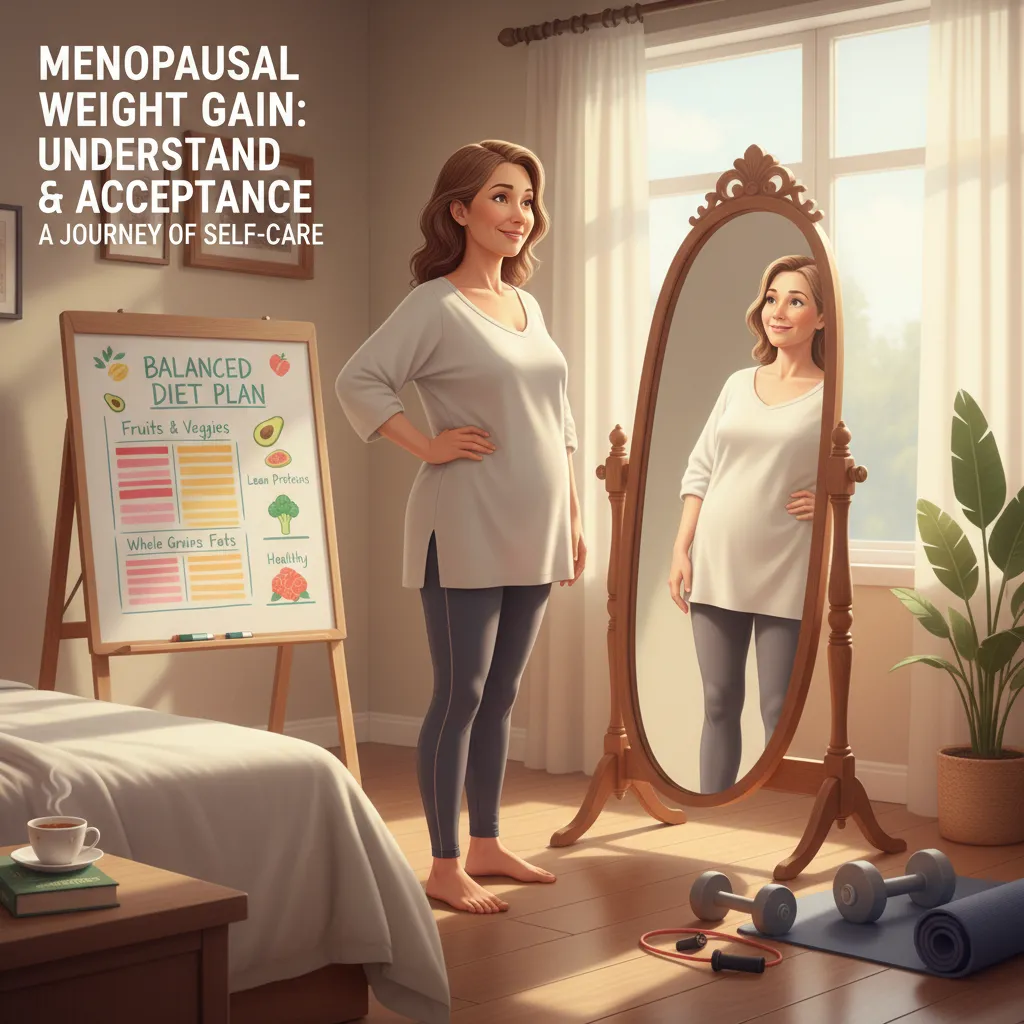
Entering menopause brings a profound shift in how your body processes food and stores fat. Many women find that the diet and exercise routines that worked in their thirties no longer yield the same results. This sudden change can feel frustrating, but educating yourself about the physiological mechanics behind it brings a sense of calm and focus to your approach.
As estrogen levels decline, your body naturally begins to store more fat around the midsection rather than the hips and thighs. This visceral fat is not just a cosmetic concern; it surrounds your internal organs and can increase the risk of cardiovascular disease and metabolic conditions. Understanding this biological pivot is the first step in reshaping your lifestyle. Instead of fighting your body with extreme diets, you can apply mindful, educated strategies that support your shifting hormones.
By taking a calm and focused approach to your health education, you can implement sustainable habits. This means observing how different foods affect your energy, tracking your sleep quality, and recognizing the importance of stress management in balancing your hormones.
Why Hormones Dictate Your Metabolism
Your metabolism dictates how many calories you burn at rest. During menopause, several factors converge to slow this metabolic rate down. First, the drop in estrogen directly impacts metabolic efficiency. Second, the natural aging process leads to a gradual loss of muscle mass, a condition known as sarcopenia. Because muscle tissue burns more calories than fat tissue, having less muscle means your daily caloric expenditure decreases.
Furthermore, changing hormones affect your insulin sensitivity. When your cells become less responsive to insulin, your body tends to convert more blood sugar into stored fat. This creates a challenging cycle: you burn fewer calories, and the calories you do consume are more easily stored as belly fat.
To counter this, your educational focus must shift toward hormone-balancing behaviors. You need strategies that improve insulin sensitivity and preserve muscle mass. This is where a holistic approach to wellness becomes crucial.
How to Lose Weight During Menopause with Nutrition
Diet plays a monumental role in managing menopausal symptoms and weight. However, restrictive crash diets often backfire, causing your metabolism to slow down even further. Instead, prioritize a nutrient-dense, satisfying way of eating that fuels your body and supports hormonal harmony.
Prioritize Protein for Muscle Preservation
Protein is your best friend during menopause. Consuming adequate protein helps preserve the lean muscle mass that naturally declines with age. Furthermore, protein has a high thermic effect, meaning your body burns more calories digesting it compared to fats or carbohydrates. It also keeps you feeling full, reducing the likelihood of sugar cravings and overeating.
Aim to include a high-quality protein source in every meal. Options like grilled chicken, fish, eggs, Greek yogurt, lentils, and tofu are excellent choices. By pacing your protein intake throughout the day, you provide your muscles with a steady supply of amino acids, which is vital for recovery and strength building.
The Mediterranean Diet Approach
The Mediterranean diet consistently ranks as one of the most effective eating patterns for healthy aging. It focuses on whole foods that naturally reduce inflammation and support heart health. By emphasizing fresh vegetables, fruits, healthy fats, and lean proteins, this diet provides the micronutrients your changing body requires.
Incorporate plenty of olive oil, avocados, nuts, and seeds into your daily meals. These healthy fats are essential for hormone production and joint health. Additionally, prioritize complex carbohydrates like quinoa, barley, and sweet potatoes over refined sugars and white bread. Complex carbs provide a slow, steady release of energy, which helps maintain stable blood sugar levels and prevents insulin spikes.
Hydration and Fiber
Fiber and water are a powerful combination for weight management. Fiber feeds the beneficial bacteria in your gut, which play a surprising role in regulating estrogen levels and metabolism. It also adds bulk to your meals, helping you feel satisfied on fewer calories. Aim for at least 25 to 30 grams of fiber daily from vegetables, legumes, and whole grains.
Proper hydration is equally important. Sometimes the body confuses thirst with hunger. Drinking plenty of water throughout the day can prevent unnecessary snacking and support cellular function.
The Role of Exercise in Menopausal Wellness

Cardio alone will not cut it anymore. To combat the loss of muscle mass and the slowing metabolism, you must rethink your physical activity routine.
Embrace Resistance Training
Resistance training is non-negotiable if you want to change your body composition during menopause. Lifting weights, using resistance bands, or performing bodyweight exercises like squats and push-ups forces your muscles to adapt and grow. This increased muscle mass directly boosts your resting metabolic rate.
Strength training also strengthens your bones, a critical benefit since declining estrogen levels increase the risk of osteoporosis. Aim for at least two to three days of strength training per week, focusing on compound movements that work multiple muscle groups simultaneously.
The Benefits of Low-Impact Movement
While strength training is vital, balancing it with low-impact cardiovascular exercise provides comprehensive health benefits. Brisk walking, swimming, and cycling improve heart health without placing excessive stress on your joints.
Incorporating activities like yoga and Pilates enhances core strength, flexibility, and balance. These mindful movements also tie into the concept of transforming your approach through calm and focus. Yoga, in particular, lowers cortisol levels, which helps reduce the accumulation of stress-induced belly fat.
Managing Stress and Sleep for Weight Loss
You can eat perfectly and exercise diligently, but if you ignore stress and sleep, you will struggle to see results. High stress levels elevate cortisol, a hormone that actively promotes fat storage around the abdomen.
Cultivating Calm and Focus
Transforming your health education means recognizing the physical impact of psychological stress. Practice mindfulness techniques such as deep breathing, meditation, or journaling to manage daily anxieties. Taking just ten minutes a day to sit quietly and focus on your breath can significantly lower your cortisol levels.
Prioritizing Restorative Sleep
Menopause often brings sleep disturbances, including night sweats and insomnia. Poor sleep disrupts your hunger hormones, increasing ghrelin (the hormone that makes you hungry) and decreasing leptin (the hormone that signals fullness).
Create a calming bedtime routine. Keep your bedroom cool, dark, and free of electronic devices. Limiting caffeine and alcohol in the evening can also dramatically improve your sleep quality, giving your body the restorative rest it needs to burn fat efficiently.
Structured Comparison: Effective vs. Ineffective Strategies
Understanding the difference between outdated diet advice and science-backed menopausal strategies is crucial.
|
Strategy Type |
Ineffective Approach |
Effective Menopausal Approach |
|---|---|---|
|
Diet |
Severe calorie restriction and skipping meals. |
Eating balanced meals rich in protein, fiber, and healthy fats. |
|
Exercise |
Hours of moderate-intensity cardio on the treadmill. |
Resistance training combined with walking and yoga. |
|
Mindset |
Stressing over the scale and fighting body changes. |
Educating yourself with calm, focused self-care and tracking how you feel. |
|
Carbohydrates |
Cutting out all carbs completely (crash dieting). |
Choosing low-glycemic, complex carbohydrates like oats and legumes. |
Common Mistakes to Avoid
Many women unknowingly sabotage their efforts by clinging to habits that no longer serve them. Avoid these common pitfalls to ensure steady progress.
- Relying solely on the scale: Weight fluctuates daily due to water retention and hormonal shifts. Focus instead on how your clothes fit and how your energy levels improve.
- Skipping meals to save calories: This slows your metabolism and usually leads to binge eating later in the day. Consistent, nourishing meals keep your blood sugar stable.
- Ignoring hidden sugars: Flavored yogurts, salad dressings, and supposed “health bars” often contain massive amounts of added sugar that drive insulin resistance.
- Underestimating sleep: Treating sleep as a luxury rather than a biological necessity will halt your progress. Make rest a primary pillar of your routine.
Pro Tips and Expert Insights
To maximize your success, integrate these expert-backed tips into your daily life. High-authority medical resources like the American Heart Association emphasize lifestyle sustainability over quick fixes.
- Pace your protein: Distribute your protein intake evenly across all your meals to maximize muscle protein synthesis.
- Eat mindfully: Chew your food slowly and eat without the distraction of a television or smartphone.
- Track your symptoms: Keep a journal of what you eat, how you exercise, and how you feel.
- Stay consistent: Results during menopause take longer to manifest. Consistency is far more important than intensity.
Embracing Long-Term Lifestyle Education

Transforming your body during this stage of life requires a commitment to continuous learning. By educating yourself on how your metabolism and hormones interact, you empower yourself to make better choices. You learn to listen to your body rather than punishing it.
Implementing a strategy of calm and focus allows you to navigate the ups and downs of menopause with grace. You realize that health is not a race, but a lifelong practice of Nutrition Management, Strength Building, and mental well-being.
Conclusion
Understanding how to lose weight during menopause empowers you to take control of your health with calm and focus. By prioritizing protein, engaging in resistance training, managing stress, and improving sleep, you create an environment where your body can thrive. Start implementing these sustainable, educated habits today, and embrace this new chapter with strength and confidence.
Frequently Asked Questions
1. Why is weight gain so common during menopause?
Weight gain is common due to a combination of declining estrogen levels, natural muscle loss associated with aging, and a slowing metabolism. These factors make it easier for the body to store calories as fat, particularly around the abdomen.
2. Can hormone replacement therapy help with weight loss?
Hormone therapy is not a weight-loss medication, but it can help redistribute body fat and alleviate symptoms like poor sleep and hot flashes. When you sleep better and feel better, you are more likely to exercise and eat well.
3. How many calories should I cut to lose weight during menopause?
Extreme restriction is harmful. Generally, creating a moderate deficit of 300 to 500 calories a day is recommended for sustainable fat loss, but it is more important to focus on the quality of those calories.
4. What is the best type of exercise for menopausal women?
Resistance training is the most critical exercise, as it builds muscle mass and boosts metabolism. Combining this with low-impact cardiovascular exercises like brisk walking and flexibility work like yoga yields the best results.
5. How does sleep affect my ability to lose weight?
Poor sleep disrupts your hunger hormones, increasing cravings for sugary, high-calorie foods. It also raises cortisol levels, which promotes the storage of belly fat.
6. Are carbohydrates bad for me during menopause?
Not all carbohydrates are bad. While refined sugars and white flours can cause insulin spikes, complex carbohydrates from vegetables, beans, and whole grains are vital for energy and digestive health.
7. Why is belly fat more dangerous than fat on the hips?
Belly fat, or visceral fat, wraps around your internal organs and releases inflammatory substances. This type of fat significantly increases the risk of type 2 diabetes, heart disease, and metabolic syndrome.
8. How much protein do I actually need?
While individual needs vary, aiming for about 1.2 to 1.5 grams of protein per kilogram of body weight is a great target to help preserve muscle mass during menopause.
9. Will fasting help me lose menopausal weight?
Intermittent fasting can help some women manage their insulin levels and control their caloric intake. However, it should be approached calmly and carefully, as extreme fasting can sometimes increase stress hormones in women.
10. How do I stay motivated when progress is slow?
Shift your focus away from the scale and toward health education and mindfulness. Celebrate non-scale victories like increased energy, better sleep, lifting heavier weights, and feeling more comfortable in your clothes.