

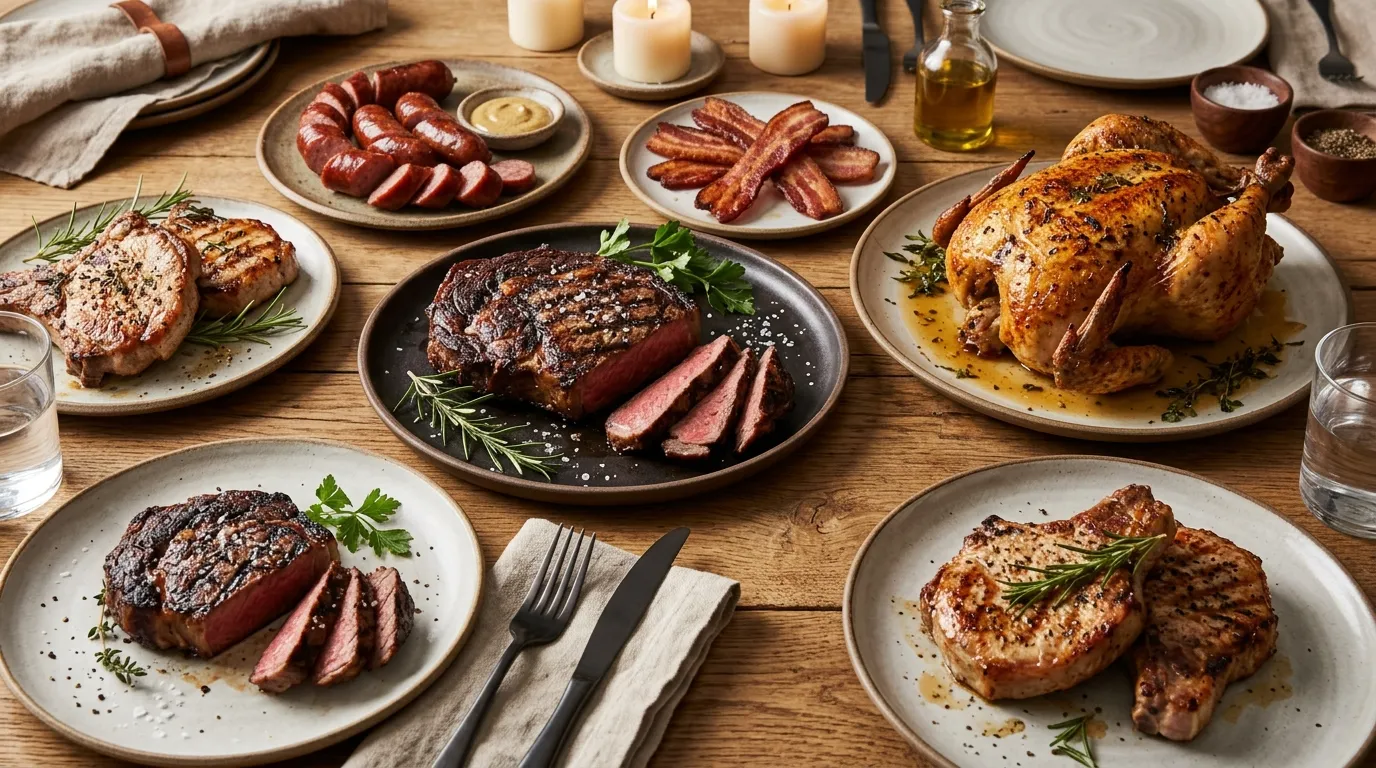
Welcome to the ultimate guide on the carnivore meal plan. This comprehensive approach transforms how you eat, leveraging animal-based nutrition to optimize energy and focus.
A well-structured carnivore meal plan simplifies nutrition by exclusively utilizing animal products. This guide covers daily routines, core benefits, potential risks, and step-by-step strategies. Discover how shifting to an all-meat diet can reduce inflammation, support weight management, and enhance your metabolic health.
Understanding the Foundation of the carnivore meal plan
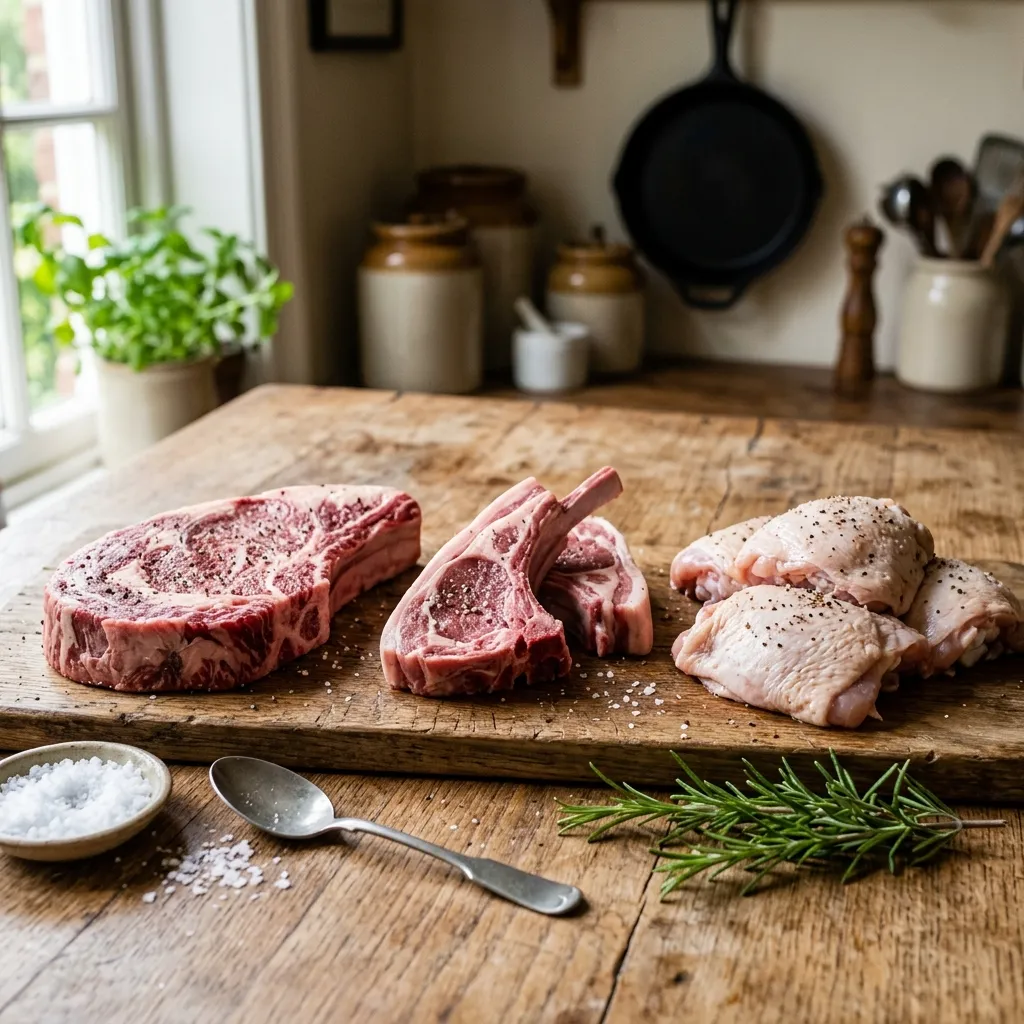
When you first begin researching optimal health strategies, the sheer volume of dietary advice can be overwhelming. A carnivore meal plan cuts through this confusion by returning to the absolute basics of human nutrition. Unlike standard modern diets that rely heavily on processed carbohydrates, seed oils, and artificial additives, this approach focuses exclusively on animal products. This means eating meat, seafood, eggs, and certain dairy products while completely eliminating plants, grains, and sugars.
Many people turn to a carnivore meal plan because they suffer from chronic inflammation, autoimmune conditions, or severe digestive distress. By removing potential dietary irritants found in plants—such as oxalates, phytates, and lectins—the body is given a chance to heal. The zero carb diet environment forces your metabolism to shift from using glucose for fuel to using fat. This fat-adapted state is known as ketosis, though a strict meat diet often pushes the body even further into a state of metabolic efficiency.
The Science of Animal-Based Nutrition
To truly grasp how a carnivore meal plan works, we must look at nutrient bioavailability. The nutrients found in animal products are highly bioavailable, meaning your digestive system can absorb and utilize them with minimal effort. For instance, the heme iron found in grass-fed beef is absorbed much more effectively than the non-heme iron found in spinach or lentils. Similarly, animal fats provide essential fatty acids like EPA and DHA, which are crucial for brain health and cellular function.
When you follow a carnivore meal plan, you naturally increase your protein intake. High-protein diets are incredibly satiating. They stimulate the release of hormones like cholecystokinin (CCK) and peptide YY (PYY), which signal to your brain that you are full. This makes weight management virtually effortless for many individuals, as they no longer battle the constant hunger and blood sugar crashes associated with carbohydrate-rich diets.
Why Focus and Calm Improve
The title of this guide mentions transforming education through calm and focus. How does a carnivore meal plan relate to mental clarity? The brain requires massive amounts of energy. When fueled by fluctuating blood sugar levels, you experience brain fog, fatigue, and mood swings. By providing your brain with a steady stream of ketones and high-quality animal fats, a carnivore meal plan stabilizes your energy. Many adherents report a profound sense of mental calmness, making it easier to concentrate on complex tasks, study effectively, and manage daily stressors without emotional volatility.
Detailed 7-Day carnivore meal plan
To help you successfully transition into this lifestyle, we have created a comprehensive, day-by-step carnivore meal plan. This schedule is designed to provide maximum nutrition while keeping preparation simple. Remember, you do not need to count calories. Eat until you are comfortably full and salt your food generously to maintain electrolyte balance.
Day 1: Establishing the Baseline
Breakfast: Start your first day on the carnivore meal plan with a classic. Cook three to four large chicken eggs in a tablespoon of butter. Serve alongside four slices of sugar-free pork bacon. This provides an excellent balance of fat and protein.
Lunch: Prepare two quarter-pound patties of 80/20 ground beef. Season heavily with high-quality sea salt. If you tolerate dairy, you can melt a slice of sharp cheddar cheese over each patty.
Dinner: Enjoy a thick-cut ribeye steak. The ribeye is the crown jewel of any carnivore meal plan because of its optimal fat-to-protein ratio. Sear it in a cast-iron skillet using beef tallow until it reaches your desired level of doneness.
Day 2: Incorporating Seafood
Breakfast: Create a hearty scramble using three eggs and half a cup of leftover ground beef from the previous day. Cooking in ghee will add a rich, buttery flavor without the milk proteins.
Lunch: Open two cans of wild-caught sardines packed in water or their own natural oils. Sardines are nutritional powerhouses, loaded with omega-3 fatty acids and calcium. Serve with two hard-boiled eggs.
Dinner: Roast a large salmon fillet in the oven, topped with a generous pat of butter and sea salt. Salmon provides an excellent break from red meat while keeping your fat intake high, which is essential for a successful carnivore meal plan.
Day 3: Slow-Cooked Satisfaction
Breakfast: If you find yourself less hungry, you might naturally transition to intermittent fasting. If you are hungry, heat up a cup of rich bone broth and eat a small bowl of cooked shrimp tossed in butter.
Lunch: Slow-cook a beef chuck roast. This tough cut of meat becomes incredibly tender when cooked low and slow for eight hours. It is also highly cost-effective, making your carnivore meal plan budget-friendly.
Dinner: Eat a large portion of the leftover chuck roast. The gelatin and connective tissue in slow-cooked meats are fantastic for joint health and gut repair.
Day 4: Poultry and Pork
Breakfast: Fry up some sugar-free turkey sausage alongside two duck eggs. Duck eggs have a higher fat content and larger yolks than chicken eggs, making them a favorite among strict meat-eaters.
Lunch: Bake bone-in, skin-on chicken thighs. The skin is crucial on a carnivore meal plan because lean chicken breast lacks the necessary fat to keep your energy levels stable.
Dinner: Sear two thick-cut pork chops in a pan with lard. Ensure they have a nice fat cap. Pork provides a different amino acid profile and is rich in thiamine (Vitamin B1).
Day 5: Organ Meat Introduction
Breakfast: Scramble eggs with a tablespoon of heavy cream to make them extra fluffy. Serve with a side of crispy bacon.
Lunch: For those looking to maximize the micronutrient profile of their carnivore meal plan, lunch is the perfect time to introduce organs. Mix two ounces of ground beef liver into your regular ground beef patties. Liver is nature’s multivitamin, packed with Vitamin A, B12, and copper.
Dinner: Grill a New York strip steak. While slightly leaner than a ribeye, a strip steak still offers plenty of fat and a fantastic chew.
Day 6: The Weekend Feast
Breakfast: Indulge in a “meatza.” Use a base of ground beef pressed flat into a pan, cooked, and topped with melted cheese and pepperoni. It feels like a cheat meal but perfectly aligns with your carnivore meal plan.
Lunch: Keep it light with a few slices of high-quality prosciutto and some hard parmesan cheese.
Dinner: Roast a rack of lamb. Lamb is a ruminant animal like beef, meaning its fat profile is highly stable and incredibly healthy. Lamb is deeply satisfying and adds a gourmet touch to your week.
Day 7: Reset and Prepare
Breakfast: Steak and eggs. Use a smaller cut like a sirloin and serve it alongside three eggs cooked over-easy so the yolks create a natural, rich sauce.
Lunch: Snack on some beef pemmican or high-quality beef jerky (ensure it has zero sugar or soy sauce).
Dinner: Prepare a large brisket. Smoking or slow-roasting a brisket on Sunday provides you with massive amounts of leftovers, setting up your carnivore meal plan perfectly for the following week.
Dietary Exclusions and Inclusions

Understanding exactly what belongs on your plate is critical. A carnivore meal plan is an elimination protocol at its core.
What to Eat Freely
You should focus predominantly on ruminant animals. Beef, bison, lamb, and venison have unique digestive systems that filter out plant toxins, storing highly purified, clean fat and protein in their muscles. These should form the foundation of your carnivore meal plan. You should also include ample amounts of animal fats like butter, tallow, suet, and duck fat. Seafood, particularly fatty fish like mackerel and salmon, provides vital omega-3s. Eggs from various birds are excellent, bioavailable protein sources.
What to Strictly Avoid
You must completely eliminate all plant matter. This includes every single fruit and vegetable, regardless of how “healthy” society deems them. You must avoid all grains, including wheat, rice, and oats. Legumes, beans, nuts, and seeds are also banned from the carnivore meal plan due to their high levels of phytic acid, which binds to minerals and prevents absorption. Most importantly, eliminate all processed sugars, artificial sweeteners, and seed oils (like canola, vegetable, and soybean oil).
Comparing Dietary Frameworks
When choosing a dietary path, it is helpful to see how a carnivore meal plan stacks up against other popular protocols.
|
Feature |
carnivore meal plan |
Ketogenic Diet |
Standard American Diet |
|---|---|---|---|
|
Carbohydrate Intake |
Zero to Near-Zero |
Very Low (under 50g) |
Very High (300g+) |
|
Plant Consumption |
Strictly Prohibited |
Encouraged (low-carb) |
Highly Encouraged |
|
Primary Fuel Source |
Animal Fat & Ketones |
Dietary Fat & Ketones |
Glucose / Sugar |
|
Elimination Value |
Extremely High |
Moderate |
None |
|
Fiber Content |
Zero |
Moderate |
Moderate to High |
As the table shows, a carnivore meal plan is the ultimate elimination diet. While the keto diet allows for plant anti-nutrients and fiber, the all-meat approach removes them entirely, providing maximum rest for the digestive tract.
Common Mistakes to Avoid
Transitioning to a carnivore meal plan is a major metabolic shift. Many beginners make errors that cause unnecessary discomfort.
The most frequent mistake is eating too lean. Because society has demonized fat for decades, people naturally gravitate toward skinless chicken breasts and egg whites. On a carnivore meal plan, if you do not eat enough fat, you will experience “rabbit starvation”—a state of protein poisoning that leads to extreme fatigue, nausea, and digestive issues. You must actively seek out fatty cuts of meat.
Another massive error is ignoring electrolytes. When you stop eating carbohydrates, your insulin levels drop. This causes your kidneys to flush out water and essential minerals like sodium, potassium, and magnesium. You must heavily salt your food to prevent headaches, muscle cramps, and lethargy.
Finally, do not quit too early. The first two weeks of a carnivore meal plan can be tough as your body switches enzymes and gut bacteria. Give the protocol a full 30 to 60 days before you judge its efficacy.
Pro Tips and Expert Insights
To elevate your success on the carnivore meal plan, we have gathered insights from top nutritional experts.
Firstly, invest in high-quality sourcing whenever your budget allows. While you can thrive on conventional supermarket meat, pasture-raised meats and wild-caught seafood contain a superior ratio of omega-3 to omega-6 fatty acids. According to the Cleveland Clinic, reducing omega-6 consumption while boosting omega-3s is a powerful way to mitigate systemic inflammation.
Secondly, use bone broth strategically. A warm cup of heavily salted bone broth is the perfect remedy for sugar cravings or the “carnivore flu” during your first week. It is packed with glycine and proline, amino acids that support gut healing and skin elasticity.
Lastly, pay attention to how you feel, not just the scale. While a carnivore meal plan is highly effective for rapid weight loss, the true benefits lie in reduced joint pain, eliminated bloating, stabilized moods, and the aforementioned improvements in educational focus and cognitive clarity.
The Role of Organ Meats
While you can survive on muscle meat alone, incorporating organ meats takes your carnivore meal plan to the next level. Organs are the most nutrient-dense foods on the planet. Liver provides highly bioavailable Vitamin A (retinol), which is crucial for eye health and immune function. Beef heart is an excellent source of CoQ10, an antioxidant that supports cardiovascular health and cellular energy production. Kidney contains diamine oxidase (DAO), an enzyme that helps break down histamine in the body, providing relief for those with histamine intolerance. Incorporating just a few ounces of these organs into your carnivore meal plan each week acts as an ultimate, natural multivitamin.
Environmental and Sourcing Considerations

Many critics question the environmental impact of a carnivore meal plan. However, advocates point to regenerative agriculture as a sustainable solution. By supporting local farmers who practice rotational grazing, you are actually contributing to topsoil restoration and carbon sequestration. Ruminant animals are an essential part of the Earth’s ecosystem. When building your carnivore meal plan, try to purchase quarters or halves of a cow directly from a local rancher. Not only does this support sustainable farming, but it dramatically reduces the overall cost of your dietary lifestyle.
Transitioning Out or Modifying
While many people adopt a carnivore meal plan for life, others use it as a 30 to 90-day reset protocol. If you choose to reintroduce plants, do so methodically. Start with the least toxic plant foods, such as peeled and deseeded cucumbers, avocados, or berries. By using the carnivore meal plan as your baseline, you can easily identify which specific plants trigger your inflammation, autoimmune flare-ups, or digestive distress.
Conclusion
Embracing a strict meat-based lifestyle can seem daunting, but the benefits are often life-changing. A well-executed carnivore meal plan provides unparalleled mental clarity, effortless weight management, and deep systemic healing by removing toxic plant compounds. By prioritizing fatty ruminant meats, balancing your electrolytes, and eating until satiated, you provide your body with the ultimate biological fuel. Stop letting complex diets dictate your life—simplify your nutrition, embrace the power of animal fats, and start your healing journey today.
Frequently Asked Questions
1. What exactly is a carnivore meal plan?
A carnivore meal plan is an elimination diet that consists solely of animal products. You consume meat, fish, eggs, and animal fats while completely avoiding all fruits, vegetables, grains, seeds, and artificial additives to optimize health and reduce inflammation.
2. Will I experience nutrient deficiencies without vegetables?
No. Animal products, especially when incorporating organ meats and high-quality seafood, provide all essential vitamins, minerals, and amino acids in highly bioavailable forms. The absence of carbohydrates also reduces your body’s requirement for certain vitamins, like Vitamin C.
3. How do I handle cravings during the first week?
Sugar cravings are common when starting a carnivore meal plan. Combat them by eating more fat and salt. Keep cooked bacon or butter on hand, and drink salted bone broth to stabilize your blood sugar and satisfy your appetite.
4. Is it necessary to eat organ meats?
While not strictly necessary for everyone, organ meats are highly recommended. They act as nature’s multivitamin, filling in any potential nutritional gaps and elevating the overall micronutrient density of your carnivore meal plan.
5. Why do I have digestive issues in the beginning?
As you drastically increase your fat intake on a carnivore meal plan, your gallbladder must adapt by producing more bile. This transition can cause temporary diarrhea. Give your body two to four weeks to adjust to the new metabolic demands.
6. Can I drink coffee on this diet?
Strict purists avoid coffee because it is derived from a plant bean and contains defensive chemicals. However, many individuals successfully include black coffee in their carnivore meal plan without experiencing negative side effects. Listen to your body’s response.
7. How much should I eat on a daily basis?
You do not need to track calories or macros. Simply eat fatty meats until you are comfortably full, and do not eat again until you are truly hungry. The carnivore meal plan naturally regulates your appetite hormones.
8. Is dairy allowed on a meat-only diet?
Dairy is a gray area. Butter and heavy cream are generally accepted due to their high fat content. However, milk and soft cheeses contain lactose (sugar) and casein, which can cause inflammation. Test dairy carefully within your carnivore meal plan.
9. Will this diet raise my cholesterol?
A carnivore meal plan often raises LDL cholesterol due to increased saturated fat intake. However, it typically lowers triglycerides and raises HDL (good cholesterol), which many modern medical professionals consider a favorable shift in cardiovascular risk markers.
10. Do I need to take fiber supplements for bowel health?
No. The idea that fiber is essential for bowel movements is largely a myth. Many people find that removing fiber entirely on a carnivore meal plan eliminates bloating, gas, and even chronic constipation, as meat is absorbed almost entirely by the small intestine.