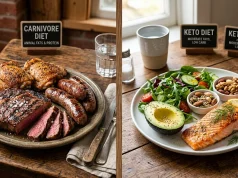


Looking to boost focus? A carnivore diet plan might be the unexpected key to transforming education, offering sustained calm and mental clarity for better learning outcomes.
This guide explores how adopting a carnivore diet plan improves cognitive function and reduces classroom stress. You will discover actionable strategies, meal preparations, and the psychological benefits of zero-carb eating to fully optimize educational environments for both students and dedicated teachers.
The Intersection of Nutrition and Learning

When educators and students seek ways to improve focus, they often overlook the food on their plates. Applying a strict carnivore diet plan in an educational setting goes beyond simply eating meat. It involves a shift toward animal-based nutrition that grounds the body, reduces anxiety, and builds a predictable internal environment. When you fuel your brain with a carnivore diet plan, you teach your body metabolic patience. The routine of eating nutrient-dense animal products provides a structured break from sugar crashes. This physical connection to high-quality protein acts as a vital tool for cognitive load management, giving overstimulated brains a chance to rest and reset. Finding the right carnivore diet plan ensures that both teachers and students experience success rather than frustration when starting this metabolic journey.
When a carnivore diet plan is absent, the brain must constantly fight through sugar spikes and crashes, creating cognitive fatigue. When a carnivore diet plan is present and optimized, the brain can relax into a state of deep learning. Adopting a carnivore diet plan acts as an external hard drive for executive function, allowing students to focus on processing new information rather than battling brain fog. The implementation of a carnivore diet plan is essentially an investment in student mental health, emotional regulation, and elite academic performance.
Essential Components of a Carnivore Diet Plan in Education
Starting a new nutritional regimen might feel overwhelming, but keeping things simple guarantees better results. Here are the most effective strategies for a carnivore diet plan looking to cultivate calm educational spaces.
Start Small with Basic Meats in Your Carnivore Diet Plan
You do not need exotic meats to start growing your cognitive abilities. One of the best tips for a carnivore diet plan is to use accessible cuts of beef, pork, and poultry. Ground beef, chicken thighs, and eggs allow you to control the quality of your carnivore diet plan and maintain a budget. In a busy student’s life, simple meal prep is all you need to start a thriving routine using a carnivore diet plan. Basic meats keep the cooking process contained, which helps maintain a calm environment guided by your carnivore diet plan.
Understand Your Energy Needs on a Carnivore Diet Plan
Before buying groceries, you must understand your metabolic needs. A student who plays sports might need a different carnivore diet plan than a sedentary teacher. Checking your caloric requirements is a crucial step in any carnivore diet plan. By aligning your eating schedule with your daily academic demands based on your carnivore diet plan, you set yourself up for a rewarding and focused day. A reliable carnivore diet plan always emphasizes bio-individual awareness.
Master Hydration and Electrolytes: Core Carnivore Diet Plan Rules
Dehydration causes more brain fog than almost anything else. When looking for success on a carnivore diet plan, water and salt management always tops the list. Teach yourself to salt your meats generously on a carnivore diet plan. This simple practice from your carnivore diet plan teaches metabolic regulation, keeping students focused on the present moment. Mastery of hydration is central to any collection of rules for a carnivore diet plan.
Structuring the Academic Day Using a Carnivore Diet Plan

Integrating zero-carb lifestyle habits into your daily curriculum requires structure. Use this carnivore diet plan to build a sustainable routine that enhances student engagement without adding stress to your teaching load. Proper structuring makes a carnivore diet plan highly effective.
Assign Clear Meal Times with Your Carnivore Diet Plan
Give yourself a specific eating window based on your carnivore diet plan. You might eat a large breakfast of eggs and bacon, skip lunch to maintain focus, and eat a hearty steak for dinner. By dividing your meals using a carnivore diet plan, you teach your body teamwork and accountability. This structure mirrors collaborative problem solving, ensuring your brain plays a part in your academic success according to a proven carnivore diet plan.
Link the Carnivore Diet Plan to Core Subjects
Nutrition naturally connects to science, biology, and even literature. You can measure your energy levels to practice graphing, study the biology of a fat-adapted state, or write descriptive essays about the mental clarity achieved. When you weave your carnivore diet plan into your existing lesson plans, the cafeteria becomes a living laboratory rather than a distraction. A carnivore diet plan makes this integration seamless and highly rewarding for educators looking to maintain top-tier mental acuity.
Embrace the Adaptation Phase: Realistic Carnivore Diet Plan Advice
Not every day will feel perfect, and some cravings will inevitably happen. Use these moments as teaching opportunities guided by your carnivore diet plan. Discuss why you felt tired—was it lack of salt, poor sleep, or not enough fat? Learning to accept and analyze physical feedback builds resilience, a critical skill for emotional regulation and calm learning. An honest carnivore diet plan always acknowledges the learning curve of the adaptation phase.
Best Foods for an Educational Carnivore Diet Plan
Choosing the right foods ensures a positive cognitive experience. Here is a comparison of ideal foods based on a reliable carnivore diet plan.
|
Food Type |
Satiety Level |
Nutrient Density |
Educational Value for a Carnivore Diet Plan |
|---|---|---|---|
|
Ribeye Steak |
Very High |
Very High |
Excellent for sustained energy during long lectures. |
|
Eggs |
High |
High |
Great for neurotransmitter balance and brain health. |
|
Ground Beef |
High |
High |
Perfect for quick student meals and budget-friendly eating. |
|
Butter/Ghee |
Very High |
Medium |
Provides pure energy, useful for studying complex subjects. |
|
Salmon |
Medium |
High |
High in Omega-3s, supporting memory and recall. |
Common Mistakes to Avoid with a Carnivore Diet Plan
Even with the best intentions, new dietary adopters often stumble. Keep these pitfalls in mind to maintain a peaceful mind using a carnivore diet plan.
Eating Too Lean: Avoid This in Your Carnivore Diet Plan
Eating only chicken breasts often leads to energy crashes. One of the most vital rules of a carnivore diet plan is to eat enough animal fat. Fat provides the right fuel and cellular building blocks, preventing early fatigue and the resulting student disappointment. Adhering to this aspect of your carnivore diet plan saves time, resources, and mental energy.
Changing Too Much at Once: Carnivore Diet Plan Pitfall
Ambitious students sometimes try to change their entire lifestyle in their first week. This quickly becomes a management nightmare. Stick to two or three robust meat types according to your carnivore diet plan. Keeping the dietary transition simple prevents you from feeling overwhelmed, protecting the calm atmosphere you set out to create. Simplicity is a hallmark of a good carnivore diet plan.
Ignoring Sleep Requirements
A diet cannot fix profound sleep deprivation. Relying solely on a carnivore diet plan while pulling all-nighters will result in an unhappy brain. Always match your carnivore diet plan with adequate rest. If your schedule lacks downtime, consider investing in better sleep hygiene to ensure your carnivore diet plan works to its maximum potential.
Advanced Carnivore Diet Plan Strategies for Focus

Once you master the basics, you can introduce more complex concepts to deepen your focus and connection to your academic projects using an advanced carnivore diet plan.
- Intermittent Fasting: Teach your body how to thrive without constant food. For example, skipping breakfast on a carnivore diet plan can heighten morning alertness. This introduces concepts of autophagy and cellular repair using a carnivore diet plan.
- Organ Meats: Start incorporating beef liver or heart. This provides incredible lessons on micronutrients and bioavailability, turning basic meals into super-fuel through a practical carnivore diet plan.
- Performance Tracking: At the end of the semester, review how your grades correlate with your adherence to the carnivore diet plan. This teaches long-term planning and biological sustainability as highlighted by an advanced carnivore diet plan.
By following this carnivore diet plan, you create more than just a physical transformation. You build a sanctuary where your mind can escape academic pressure, focus on tangible tasks, and learn the quiet rhythm of steady energy. This hands-on approach offers unparalleled benefits for mental health and educational development, supported by biological science found in authoritative nutrition journals.
To maximize the benefits of your educational journey, consistently apply this carnivore diet plan. Encourage yourself to notice the absence of bloating, the steady mood, and the subtle changes in your focus daily. This physical engagement is a core component of a carnivore diet plan that effectively reduces classroom anxiety. Furthermore, when you integrate a carnivore diet plan into your daily routine, you model a lifelong habit of metabolic flexibility and mindfulness.
Consistency is key when applying a carnivore diet plan. A neglected dietary routine quickly becomes a source of stress rather than a tool for calm. By embedding a carnivore diet plan into your weekly schedule, you ensure your brain remains a thriving, educational focal point. Remember, the true value of a carnivore diet plan lies not just in physical health, but in the peaceful, focused learning environment cultivated along the way. Using a carnivore diet plan transforms a standard academic grind into a vibrant experience of elite learning and profound calm.
A carnivore diet plan forces you to evaluate exactly what you are putting into your body and how it impacts your brain. The elimination of processed foods on a carnivore diet plan means that artificial dyes, seed oils, and massive sugar loads no longer interrupt your thought processes. For educators, maintaining patience with a classroom of thirty students requires a stable mood; a carnivore diet plan delivers this stability by keeping blood sugar perfectly flat. For students, retaining complex calculus or literature requires deep concentration; a carnivore diet plan fuels the brain with ketones, which many neurologists consider a superior fuel source for cognitive tasks.
Every time you prepare a meal on your carnivore diet plan, you are actively choosing to prioritize your educational outcomes. A steak on a carnivore diet plan is not just dinner; it is tomorrow’s test score. A plate of scrambled eggs on a carnivore diet plan is not just breakfast; it is the patience required to write a thesis. A carnivore diet plan aligns your biological imperatives with your academic aspirations.
Transforming your educational environment requires actionable strategies and patience. By implementing a carnivore diet plan, you can cultivate a classroom culture of profound calm and sustained focus. Start your carnivore diet plan today, embrace the metabolic lessons, and watch your academic performance thrive as you apply this powerful nutritional tool!
Conclusion
Transforming your educational experience starts with optimal brain fuel. By strictly implementing a carnivore diet plan, you eliminate cognitive hurdles and foster unparalleled focus. Embrace this nutrient-dense lifestyle today. Start your carnivore diet plan to unlock profound mental calm and elevate your academic success to new heights!
FAQs
What exactly is a carnivore diet plan?
A carnivore diet plan is an elimination protocol that focuses exclusively on animal products. By consuming only meat, fish, eggs, and animal fats, a carnivore diet plan removes plant toxins and carbohydrates, which can drastically improve cognitive function and energy levels for students and teachers.
How does a carnivore diet plan improve student focus?
A carnivore diet plan improves focus by eliminating blood sugar spikes and crashes. When students adhere to a carnivore diet plan, their brains run on steady fats and ketones, providing a calm, uninterrupted flow of mental energy that is essential for rigorous academic environments.
Is a carnivore diet plan safe for busy educators?
Yes, a carnivore diet plan is often highly beneficial for educators because it simplifies meal prep and provides incredibly stable energy. A properly formulated carnivore diet plan prevents the mid-afternoon slump, allowing teachers to remain patient, engaged, and highly effective throughout the entire school day.
What is the easiest way to start a carnivore diet plan?
The easiest way to start a carnivore diet plan is to focus on ruminant meats like beef, along with salt and water. A beginner carnivore diet plan doesn’t require complex recipes; simple ground beef patties or eggs can quickly transition your body into a state of high-focus fat-burning.
How do we prevent energy crashes on a carnivore diet plan?
Preventing energy crashes on a carnivore diet plan comes down to eating enough animal fat and maintaining proper electrolyte balance. If you feel tired on a carnivore diet plan, you likely need to increase your intake of butter, tallow, or sodium to keep your brain fueled.
Is it expensive to maintain a carnivore diet plan on a student budget?
No, a carnivore diet plan can be very budget-friendly. Students can succeed on a carnivore diet plan by purchasing ground beef, eggs, and cheaper cuts of meat like chuck roast. The high satiety of a carnivore diet plan also means you naturally eat less often, saving money on snacks.
How often should you eat on a carnivore diet plan?
There is no strict schedule on a carnivore diet plan. You should eat only when you are truly hungry and eat until comfortably full. This intuitive approach to a carnivore diet plan frees up massive amounts of time that students can redirect toward studying and reading.
What happens during the first week of a carnivore diet plan?
During the first week of a carnivore diet plan, your body adapts to zero carbohydrates. You may experience temporary fatigue or brain fog as you transition. However, sticking to your carnivore diet plan and increasing electrolytes quickly resolves this, leading to profound mental clarity shortly after.
How does a carnivore diet plan help with classroom anxiety?
A carnivore diet plan stabilizes neurotransmitter production and lowers systemic inflammation. Because the gut and brain are deeply connected, the healing effect of a carnivore diet plan on digestion naturally translates to a calmer, less anxious state of mind during stressful exams or presentations.
Do we need supplements on a carnivore diet plan?
For most people, a well-rounded carnivore diet plan that includes beef, eggs, and occasional organ meats provides all essential nutrients. However, during the initial phases of a carnivore diet plan, taking a high-quality electrolyte supplement can help maintain optimal hydration and cognitive focus.