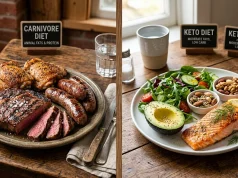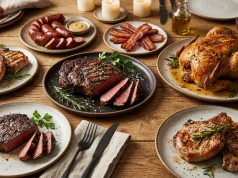

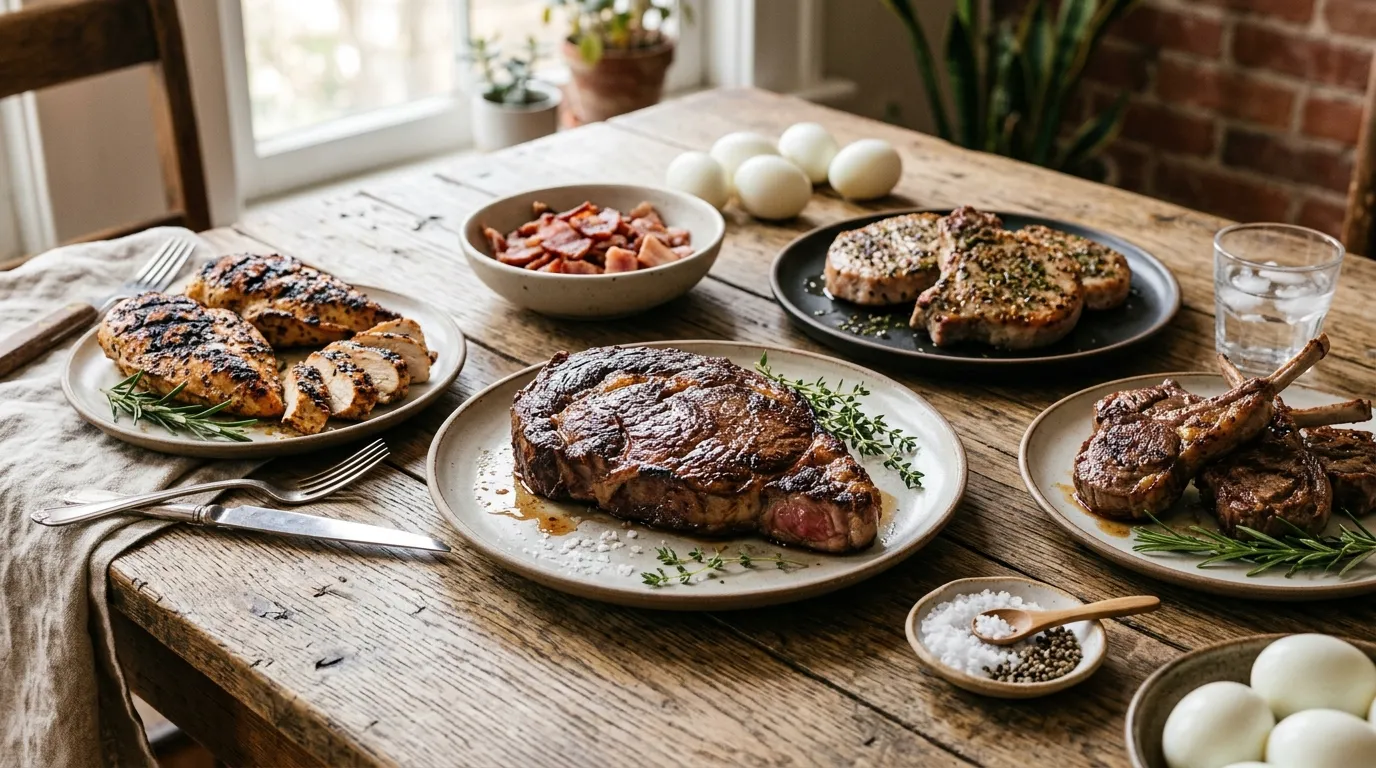
Are you ready to optimize learning? A free carnivore diet meal plan can dramatically transform education by cultivating unmatched calm and deep cognitive focus in students.
This comprehensive guide explores the intersection of animal-based nutrition and academic performance. You will learn practical methods, cognitive benefits, and dietary strategies to enhance mental well-being. By adopting this nutritional approach, educators and students can create a serene, engaged mind prepared for sustained academic success and focus.
The Hidden Link Between Nutrition and Academic Performance

The modern educational environment often exposes students to high levels of stimulation, screen time, and academic pressure. Coupled with standard diets high in processed sugars, students frequently experience energy crashes and brain fog. Integrating a free carnivore diet meal plan serves as a powerful antidote to this modern metabolic stress. When individuals eliminate inflammatory foods, they fundamentally alter their physiological and psychological landscape. Nutrition is not merely about physical growth; it is the bedrock of cognitive development and behavioral regulation in academic settings.
Fostering Calm and Reducing Anxiety
Research in nutritional psychiatry consistently shows that stabilizing blood sugar lowers cortisol levels and reduces physical symptoms of anxiety. When students engage in the restorative practice of consuming nutrient-dense animal proteins, their nervous systems regulate. The elimination of sugar spikes provides a much-needed metabolic break from the roller-coaster of standard diets. This practice serves as a foundational component of Holistic Student Wellness, allowing learners to practice mindfulness and focus naturally.
By removing processed carbohydrates and replacing them with high-quality fats and proteins, a free carnivore diet meal plan minimizes the physiological triggers that often masquerade as anxiety or behavioral disorders. Students who are not constantly fighting the internal battle of reactive hypoglycemia are far more likely to sit still, absorb complex information, and interact peacefully with their peers. This metabolic stability is crucial for fostering a classroom environment where true learning can take place without the constant interruption of dysregulated nervous systems.
Improving Focus and Cognitive Function
Cognitive restoration theories suggest that a stable energy supply helps replenish directed attention, which students heavily deplete during traditional lectures. When you start following a free carnivore diet meal plan, you provide your brain with a steady stream of ketones. This type of metabolic engagement holds attention without requiring intense cognitive effort to fight off fatigue, allowing the brain’s focus mechanisms to recharge. Consequently, students return to complex subjects like math and literature with renewed concentration and mental clarity.
The brain is composed of nearly 60 percent fat, and it requires a constant supply of essential fatty acids to function optimally. By adhering to a strict regimen of animal-based foods, students supply their brains with the exact building blocks required for neurotransmitter production and myelin sheath repair. This leads to faster processing speeds, better memory retention, and a heightened ability to focus on prolonged academic tasks.
Essential Guidelines for a free carnivore diet meal plan
Creating a successful nutritional program requires strategic planning and the right ingredients. To ensure your dietary shift thrives, you must follow structured preparation practices. An unstructured approach to this highly specific diet can lead to nutrient imbalances and metabolic distress, which counteracts the goal of educational focus.
Gathering the Right Ingredients
Before you begin, assemble high-quality animal products to guarantee optimal nutrition and sustained energy. You will need:
- Grass-fed ground beef (cost-effective and highly nutritious, forming the foundation of your meals)
- Pasture-raised eggs for essential brain-building choline, critical for memory function
- High-quality butter or beef tallow for healthy fats to sustain long school days
- Wild-caught salmon or sardines for omega-3 fatty acids, which reduce brain inflammation
- A reliable source of high-quality unrefined salt to maintain electrolyte balance
- Organ meats, like beef liver, for a powerful, bioavailable vitamin boost
Executing the Dietary Shift
To successfully integrate a free carnivore diet meal plan, guide yourself through a meticulous, step-by-step process. First, clear your pantry of processed carbohydrates and seed oils to prevent temptation. Fill your refrigerator with your selected animal proteins. Instruct yourself to eat until comfortably full, rather than counting calories. Gently increase your fat intake to ensure your body has enough energy to transition into ketosis. Maintain a consistent hydration schedule, utilizing electrolytes to ward off the transition phase often called the “keto flu.”
Consistency is paramount. The benefits of a free carnivore diet meal plan compound over time. As your body adapts to burning fat for fuel, the initial lethargy will lift, revealing a state of profound mental clarity. Educators implementing this for their own well-being will find they have the stamina to grade papers, design curriculum, and manage classroom dynamics with an even temper and boundless energy.
Comparison Table: Standard Diet vs. Carnivore Approach
To truly understand the impact of this dietary protocol, we must compare it against the standard diets typically consumed by the modern student body.
|
Dietary Approach |
Energy Stability |
Cognitive Focus |
Inflammation Levels |
Educational Impact |
|---|---|---|---|---|
|
Standard American Diet |
Low (Frequent crashes) |
Variable |
High |
Distraction, fatigue, mood swings. |
|
Keto Diet |
Medium to High |
Good |
Moderate |
Improved focus but requires careful tracking. |
|
free carnivore diet meal plan |
Very High |
Excellent |
Very Low |
Sustained calm, steady attention, clear thinking. |
|
Paleo Diet |
Medium |
Good |
Low |
Better than standard, but plant toxins may affect some. |
|
Vegetarian Diet |
Variable |
Variable |
Moderate |
Highly dependent on food choices and supplementation. |
Integrating Nutritional Science into the Core Curriculum

When you utilize a free carnivore diet meal plan, you create a living laboratory that supports multi-disciplinary education. This initiative goes far beyond basic health lessons. It provides a real-world application of the scientific method, allowing students to observe the direct consequences of dietary inputs on their biological outputs.
STEM Learning Opportunities
Dietary interventions provide endless opportunities for Project-Based Science Learning. Students can utilize mathematics to measure macronutrient ratios, graph energy levels, and calculate metabolic rates over a specified period. In biology, they observe ketosis, cellular respiration, and the endocrine system in real-time by monitoring their own physiological responses. You can also incorporate technology by having students use digital health trackers to monitor sleep quality and resting heart rate, perfectly aligning with modern health and science standards. According to resources from the National Institutes of Health, understanding human metabolism is a critical component of biological sciences.
By actively participating in a structured nutritional intervention, students move from passive recipients of scientific knowledge to active researchers. They learn to question conventional wisdom, analyze data, and draw evidence-based conclusions—all crucial skills for future STEM professionals.
Psychology and Creativity
Encourage students to maintain daily observation journals. This practice enhances self-awareness as they document subtle changes in mood, energy, and emotional regulation. Furthermore, reading literature about human evolution and ancestral eating becomes more impactful when students possess tangible context for the narratives. A well-structured free carnivore diet meal plan acts as a practical exercise in understanding human biology and its direct impact on behavior.
As students document their journey, they develop a richer vocabulary for their internal states. This emotional intelligence is heavily linked to academic success and creativity. When the brain is free from the inflammatory burden of processed foods, cognitive resources are freed up for abstract thinking, artistic expression, and complex problem-solving.
The Biochemistry of Calm: How Meat Heals the Mind
To fully appreciate why a free carnivore diet meal plan is so effective in an educational setting, one must delve into the biochemistry of the human brain. The modern diet, laden with refined sugars and seed oils, causes systemic inflammation. This inflammation crosses the blood-brain barrier, leading to neuroinflammation, which is heavily implicated in brain fog, ADHD, depression, and anxiety.
Eliminating Anti-Nutrients
Plants contain naturally occurring defense chemicals, such as oxalates, lectins, and phytates. While many people tolerate these well, others experience significant inflammatory responses. Phytic acid, for instance, binds to essential minerals like zinc, iron, and magnesium, preventing their absorption. These minerals are critical for neurotransmitter synthesis. By adopting a free carnivore diet meal plan, individuals eliminate these anti-nutrients entirely, ensuring that the brain receives maximum nourishment from every meal.
The Power of Ketones in the Classroom
When carbohydrates are removed from the diet, the liver begins converting fat into ketones. Ketones, particularly beta-hydroxybutyrate (BHB), are a highly efficient superfuel for the brain. Unlike glucose, which requires insulin to enter cells and can lead to erratic energy swings, ketones provide a smooth, consistent flow of energy. This metabolic state significantly reduces glutamate (an excitatory neurotransmitter) and increases GABA (a calming neurotransmitter). This precise biochemical shift is what creates the profound sense of calm and focus reported by those following a strict free carnivore diet meal plan.
Addressing the Modern Attention Crisis

Educators are facing an unprecedented crisis in student attention spans. The dopamine-driven feedback loops of social media, combined with nutritionally void cafeteria food, have created an environment where sustained focus is incredibly rare.
Rebuilding the Attention Span
Implementing a free carnivore diet meal plan serves as a metabolic reset button. By stabilizing blood sugar and providing the brain with the dense nutrition it craves, students regain the biological capacity for sustained attention. They are no longer fighting their own physiology to stay awake during a post-lunch slump. This dietary protocol provides the biological foundation upon which educators can build effective pedagogical strategies.
Common Mistakes to Avoid
Even enthusiastic individuals can face challenges when changing their dietary habits. Avoid these prevalent pitfalls to ensure your transition’s success and maximize the educational benefits.
- Eating Too Lean: Students and educators often default to lean chicken breasts due to outdated nutritional advice. The brain needs fat. Failing to incorporate enough butter, tallow, or fatty cuts of beef will lead to severe energy deficits and intense cravings.
- Under-Salting Food: Relying solely on a free carnivore diet meal plan causes the kidneys to flush out sodium rapidly, especially in the early stages of ketosis. Always invest in high-quality salt and use it generously to prevent headaches and fatigue.
- Quitting Too Early: The first two to four weeks involve a significant metabolic adaptation phase. Quitting during this time prevents you from experiencing the profound cognitive calm that follows. Consistency is vital.
- Ignoring Hydration: Water needs change significantly without carbohydrates holding fluid in the tissues. Implement consistent water intake routines throughout the school day to ensure optimal brain hydration.
- Overcomplicating the Menu: A true free carnivore diet meal plan thrives on simplicity. Do not waste time trying to recreate carbohydrate-heavy meals with complex carnivore substitutes. Stick to steak, ground beef, eggs, and butter.
Pro Tips for Sustained Mental Engagement
To maximize the educational benefits when you implement a free carnivore diet meal plan, you must stay consistent and prepared. The school environment is fraught with nutritional temptations, so strategic planning is essential.
- Batch Cook on Weekends: Prepare large quantities of burgers, steaks, and boiled eggs on Sundays. Having grab-and-go options ensures you never rely on cafeteria junk food or vending machines during a busy school day.
- Prioritize Ruminant Animals: Beef, lamb, and bison have superior nutrient profiles compared to poultry or pork. Focus your free carnivore diet meal plan heavily on these meats for optimal brain health and sustained energy.
- Connect to Community: Partner with local farmers or butchers. Learning where your food comes from teaches profound lessons in agricultural sustainability, local economics, and responsible consumption.
- Utilize Insulated Containers: A hot meal is infinitely more satisfying. Invest in high-quality thermoses to keep ground beef or steak bites warm until the school lunch bell rings.
- Listen to Your Hunger Signals: Unlike calorie-restricted diets, a free carnivore diet meal plan encourages you to eat until you are completely satiated. This prevents the distraction of hunger pangs during crucial learning hours.
The Long-Term Impact on School Culture and Focus
When multiple individuals in an academic setting adopt a free carnivore diet meal plan, the entire school culture can shift. Hallways and classrooms transform into calmer, more focused spaces. This collective effort fosters a sense of shared responsibility and personal health stewardship among the student body. Furthermore, parents often report that children bring this newfound even-keeled mood home, asking to share their meals, thereby bridging the gap between classroom focus and home life harmony.
By embedding Advanced Nutritional Protocols into daily routines, schools and families position themselves as forward-thinking entities that value both academic rigor and student well-being. The simple act of nurturing the brain with appropriate fats and proteins translates into profound personal growth, teaching discipline, resilience, and the value of persistent self-care. It transforms the narrative from merely surviving the school day to actively thriving within it.
Overcoming Social Stigmas in the Cafeteria
One of the most significant hurdles for students adopting a free carnivore diet meal plan is the social aspect of eating in a school cafeteria. Peer pressure and conventional nutritional beliefs can make eating a purely animal-based meal feel isolating.
Empowering Students Through Education
Educators and parents must empower students with the scientific knowledge to defend their dietary choices confidently. When a student understands that their free carnivore diet meal plan is actively building their brain tissue and optimizing their neurotransmitters, they become resilient to peer criticism. Schools can support this by fostering an environment of dietary inclusivity, where personal health choices are respected rather than scrutinized.
The Role of Faculty Modeling
Students emulate the adults around them. When teachers and administrators visible adopt a free carnivore diet meal plan, it normalizes the behavior. A teacher calmly enjoying a steak during lunch while demonstrating exceptional patience and energy in the classroom is the most powerful endorsement this nutritional protocol can receive.
Financial Considerations for Educational Institutions
A common misconception is that an animal-based diet is prohibitively expensive. While premium grass-fed ribeyes carry a high price tag, a highly effective free carnivore diet meal plan can be executed on a very tight budget.
Budget-Friendly Carnivore Strategies
Ground beef is a nutritional powerhouse that remains highly affordable. When bought in bulk, eggs provide an incredibly cheap source of complete proteins and fats. By eliminating the cost of snacks, sugary beverages, and processed convenience foods, many families find that their overall grocery bill actually decreases. Schools looking to support this dietary shift can partner with local agricultural programs to source bulk meats at wholesale prices, providing students with dense nutrition at a fraction of the cost of standard cafeteria fare.
Conclusion
When educators and students utilize a free carnivore diet meal plan, they create an internal sanctuary of calm and focus that elevates the entire learning experience. By prioritizing nutrient-dense animal proteins, you eliminate brain fog, stabilize mood, and unlock true academic potential. Ready to transform your educational journey? Begin your nutritional reset today, empower your brain with the right fuel, and watch both your mind and your academic environment flourish together.
Frequently Asked Questions
1. Why is a free carnivore diet meal plan beneficial for students?
This specific dietary approach reduces systemic inflammation, eliminates sugar crashes, and provides the brain with a steady supply of ketones. This results in significant improvements in cognitive focus, a calmer demeanor, and enhanced memory retention during classes, transforming the overall educational experience.
2. Is a free carnivore diet meal plan safe for growing teenagers?
When properly formulated with sufficient fat and calories, an animal-based diet provides all essential amino acids, fatty acids, and bioavailable vitamins necessary for human growth. However, consulting with a healthcare provider is always recommended before making major dietary changes to ensure individual nutritional needs are met.
3. Do I need to buy expensive grass-fed meat for this to work?
No. While grass-fed meat has a slightly better omega-3 ratio, grain-finished beef from your local supermarket is still highly nutritious and effective. A free carnivore diet meal plan can easily be executed on a budget using ground beef, eggs, and butter, making it accessible for most families.
4. How do we manage meals during a busy school day?
Preparation is key. Utilizing thermos containers for hot ground beef, or packing cold items like hard-boiled eggs, cheese (if tolerated), and cooked bacon ensures you have compliant, brain-boosting food available during lunch hours without relying on the school cafeteria.
5. What is the most common reason people fail on a free carnivore diet meal plan?
The most frequent causes are eating too lean, not consuming enough salt, and failing to push through the initial adaptation phase (often called the keto flu). Ensuring adequate fat intake and proper electrolyte supplementation usually resolves these issues entirely within the first few weeks.
6. How can I tie this nutritional approach to state educational standards?
You can align this dietary protocol with biology (metabolism and digestion), health classes (macronutrients and mental health), and even physical education (athletic recovery). It naturally fits into multi-disciplinary health sciences, providing real-world applications for theoretical scientific concepts.
7. What are the best foods to include in a free carnivore diet meal plan for quick energy?
Butter, beef tallow, and fatty cuts of steak are excellent choices. Fats are the primary fuel source on this diet, providing immediate, long-lasting energy without the subsequent insulin spike and crash associated with consuming processed carbohydrates and sugars.
8. Won’t a free carnivore diet meal plan cause nutrient deficiencies without vegetables?
Animal products, particularly ruminant meats and organs, are some of the most nutrient-dense foods on the planet. They contain highly bioavailable forms of vitamins and minerals. Vitamin C, a common concern, is present in fresh meat, and the body’s requirement for it drops significantly in the absence of carbohydrates.
9. How does this dietary plan support neurodivergent learners?
Many individuals with ADHD or sensory processing differences report profound benefits from eliminating artificial dyes, sugars, and gluten. A free carnivore diet meal plan provides a stable, predictable energy source that can be incredibly soothing for a hyperactive nervous system, drastically reducing classroom behavioral disruptions.
10. What should we drink while following a free carnivore diet meal plan?
Water should be your primary beverage. Unsweetened sparkling water and black coffee or tea (if you choose to include them) are also acceptable. Avoid any beverages with added sugars or artificial sweeteners, as they can disrupt the mental calm and metabolic stability this diet provides.